
When most people hear the phrase “cybersecurity governance,” they immediately think of CISOs, boards of directors, security operations centers, auditors, or compliance teams.
Business analysts are rarely included in that conversation.
I believe that is a mistake.
Over the past several years, cybersecurity has evolved from a technical discipline into something much broader:
an organizational accountability discipline.
That shift changes who matters.
Cybersecurity governance is no longer just about firewalls, endpoint agents, or vulnerability scans. Those controls still matter, but they are downstream from something much more fundamental:
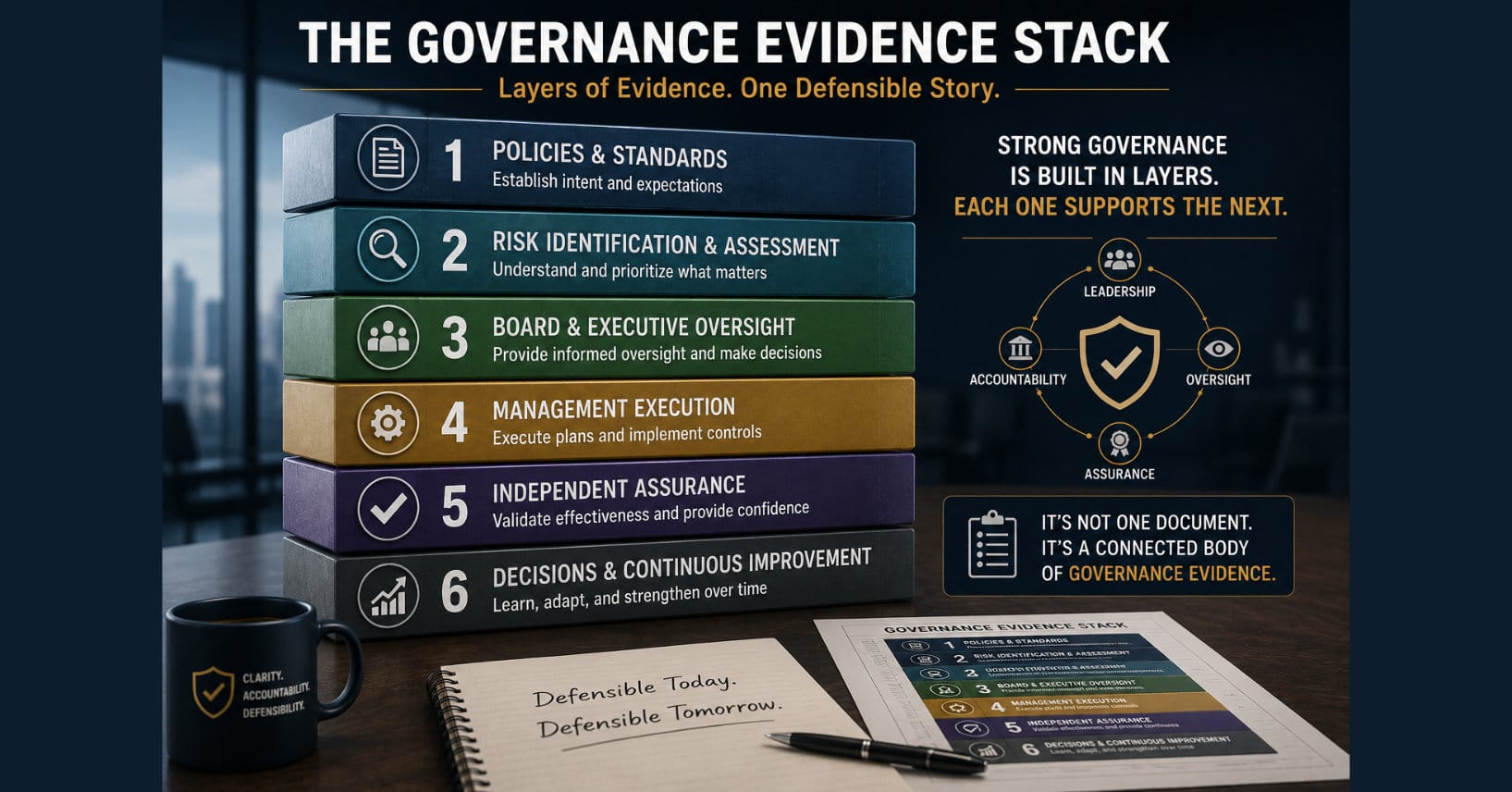
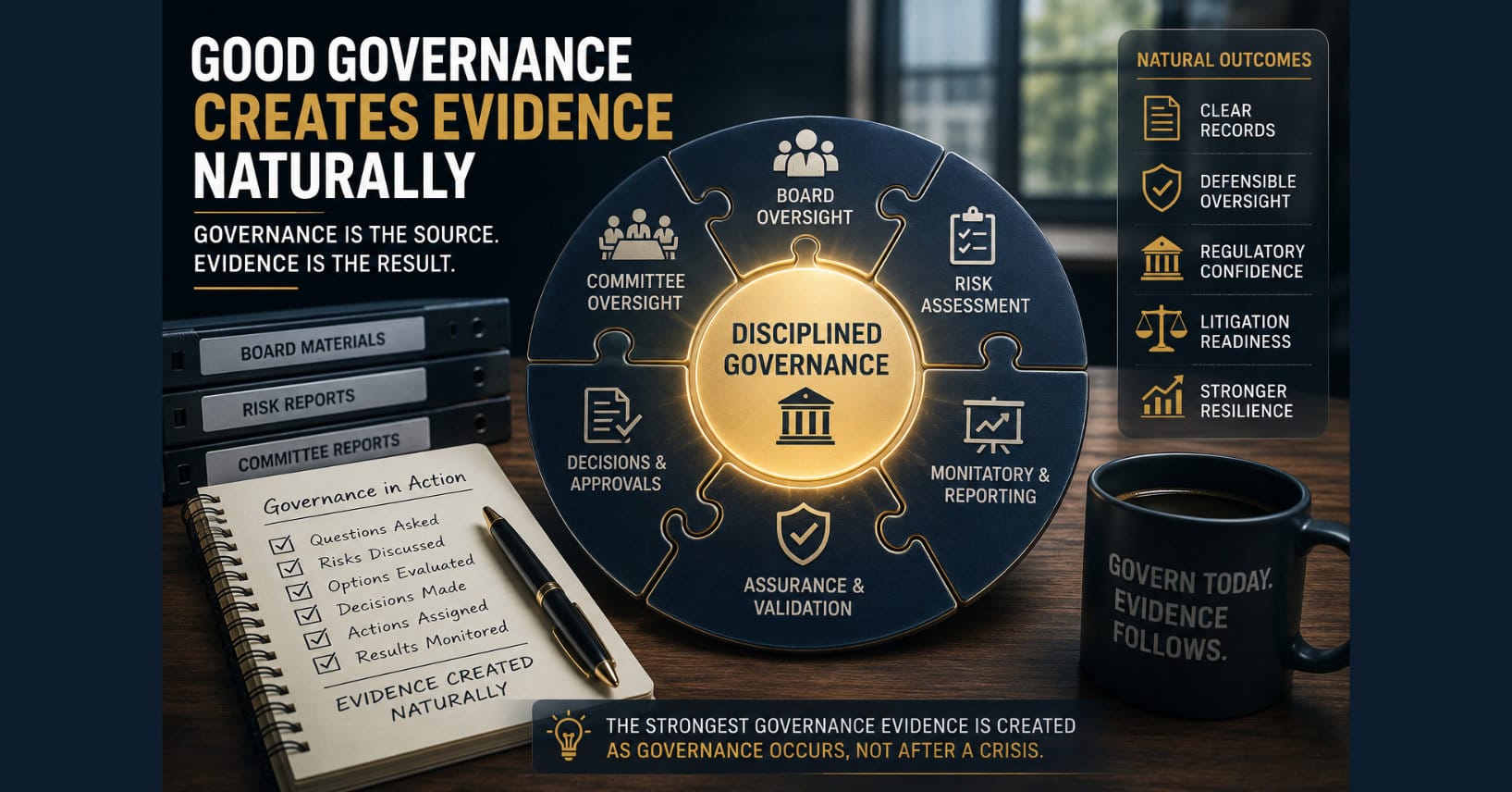
How organizations define responsibility, document decisions, establish workflows, validate authority, and maintain evidence under pressure.
That is where business analysts quietly operate every day.
Business analysts frequently sit in the exact location where governance either becomes operational reality…or collapses into ambiguity.
They help define:
- business requirements,
- workflow dependencies,
- approval structures,
- reporting paths,
- process ownership,
- data handling expectations,
- and operational accountability.
In many organizations, those definitions eventually become:
- system behavior,
- audit evidence,
- AI decision flows,
- compliance artifacts,
- and executive reporting mechanisms.
That means governance failures often begin long before a breach occurs.
They begin when:
- ownership is unclear,
- escalation paths are undefined,
- evidence collection is inconsistent,
- workflows bypass accountability,
- reporting lacks traceability,
- or AI systems are introduced without documented decision boundaries.
These are not merely “technical” failures.
They are organizational design failures.
And increasingly, regulators, insurers, investors, and boards are beginning to recognize that distinction.
This is especially important in the age of AI.
Many organizations are rapidly deploying AI tools into operations without fully understanding:
- who owns the decisions,
- how outputs are validated,
- where evidence is retained,
- how exceptions are escalated,
- or how governance responsibilities are documented.
In other words:
AI is accelerating operational complexity faster than governance maturity.
That gap creates risk.
Business analysts are uniquely positioned to help close it because they already think in terms of:
- process architecture,
- traceability,
- operational dependency,
- business logic,
- and measurable outcomes.
Ironically, many business analysts already contribute to cybersecurity governance without calling it that.
They are helping organizations define how accountability actually functions in practice.
The challenge now is elevation.
Not elevation into technical cybersecurity roles.
But elevation into governance-aware operational leadership.
The organizations that adapt fastest over the next decade will not necessarily be the ones with the most technology.
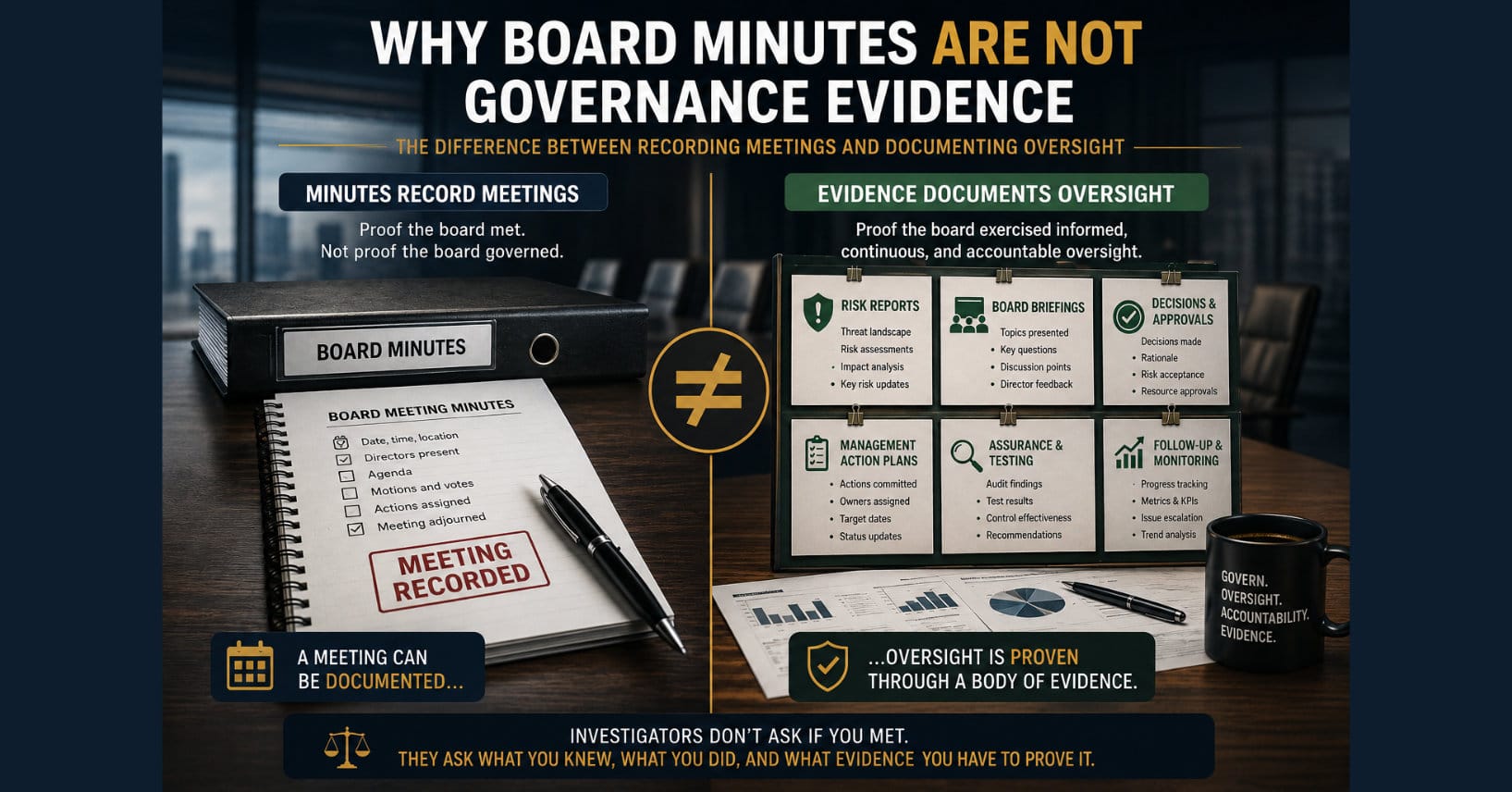
They will be the ones that can prove:
- how decisions were made,
- who approved them,
- how accountability was maintained,
- and whether governance functioned under pressure.
That is not merely a cybersecurity discussion anymore.
That is an enterprise design discussion.