
Moving from updates to oversight
Most boards receive cybersecurity updates.
Far fewer receive cybersecurity oversight.
There is a difference.
An update tells you what happened.
Oversight clarifies what could happen — and what governance structure exists to manage it.
As digital dependency deepens across sectors, cyber risk is no longer peripheral. It intersects with financial stability, regulatory compliance, operational continuity, and institutional reputation.
Directors do not need technical fluency. They do need disciplined questions.
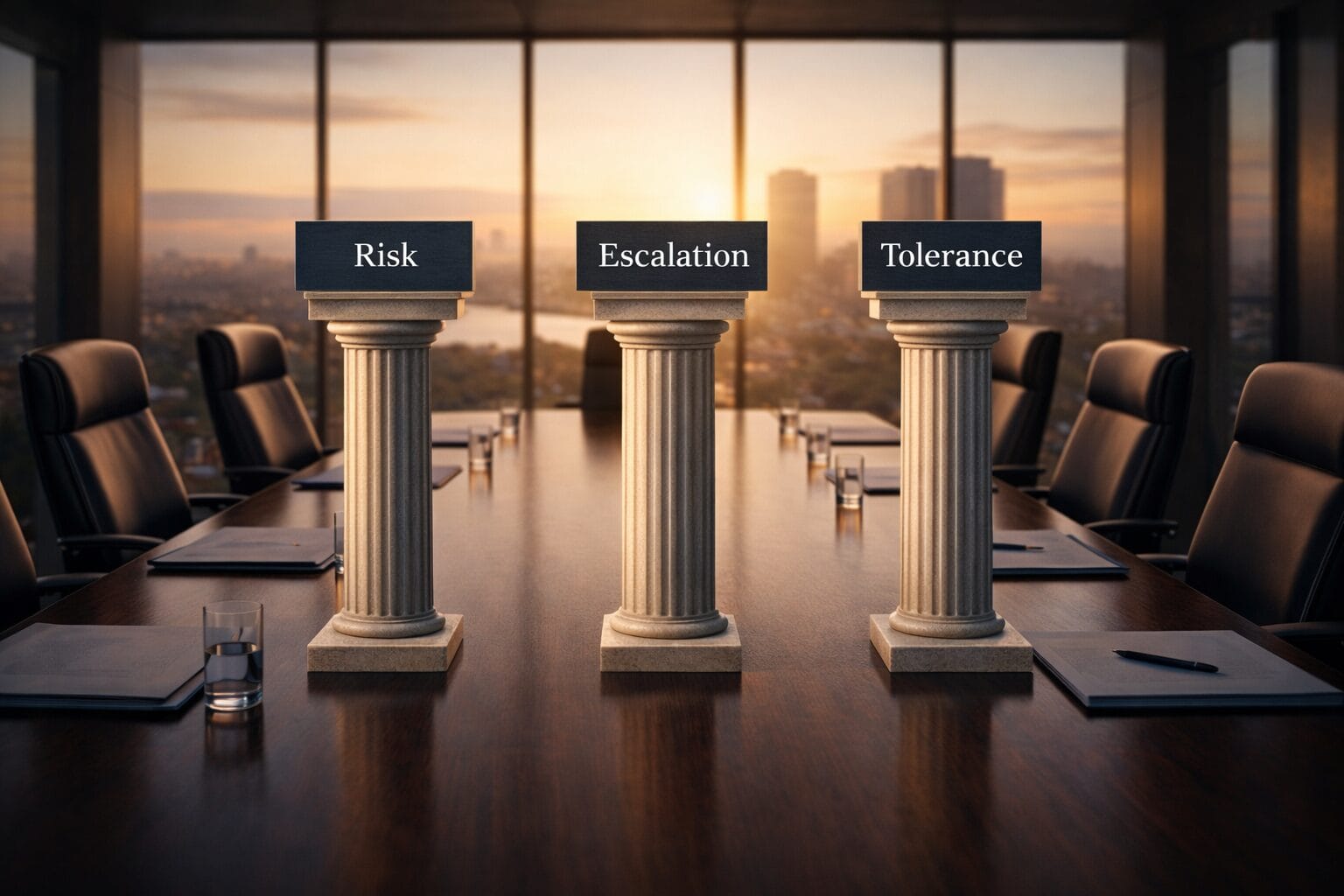
Here are three that materially change the conversation in the boardroom.
Question 1: What cyber risks could materially disrupt our mission or financial stability?
Too often, reporting focuses on activity:
- Number of intrusion attempts blocked
- Patch compliance percentages
- Vulnerability counts
These metrics reflect operational effort. They do not define enterprise exposure.
Boards should instead ask:
- What realistic cyber scenarios could halt operations?
- Which systems are mission-critical?
- What is the financial impact of prolonged disruption?
- What data exposures would create regulatory or litigation risk?
This shifts the discussion from technical volume to material impact.
Cyber oversight begins when the board understands consequence, not just activity.
Question 2: What incident threshold requires immediate board notification?
In many organizations, escalation protocols are informal or assumed.
That assumption creates governance risk.
Boards should ensure:
- Clear criteria define a board-notifiable incident.
- Management understands timing expectations.
- Communication pathways are documented.
- Legal counsel involvement is structured.
A well-governed organization does not improvise its escalation posture during a crisis.
Defined thresholds protect both the institution and the directors.
If escalation rules are unclear before an incident, oversight becomes reactive rather than structured.
Question 3: Where does our current posture exceed our defined risk tolerance?
This question is rarely asked.
Often because risk tolerance has never been formally articulated.
Every organization accepts some level of cyber risk. The issue is not elimination — it is alignment.
Boards should clarify:
- What level of downtime is acceptable?
- What categories of data loss are intolerable?
- What investment levels align with exposure?
- Where known risks remain unfunded?
Without a defined risk tolerance, resource decisions become reactive or political.
With one, oversight becomes strategic.
The Governance Distinction
Directors are not expected to design firewalls.
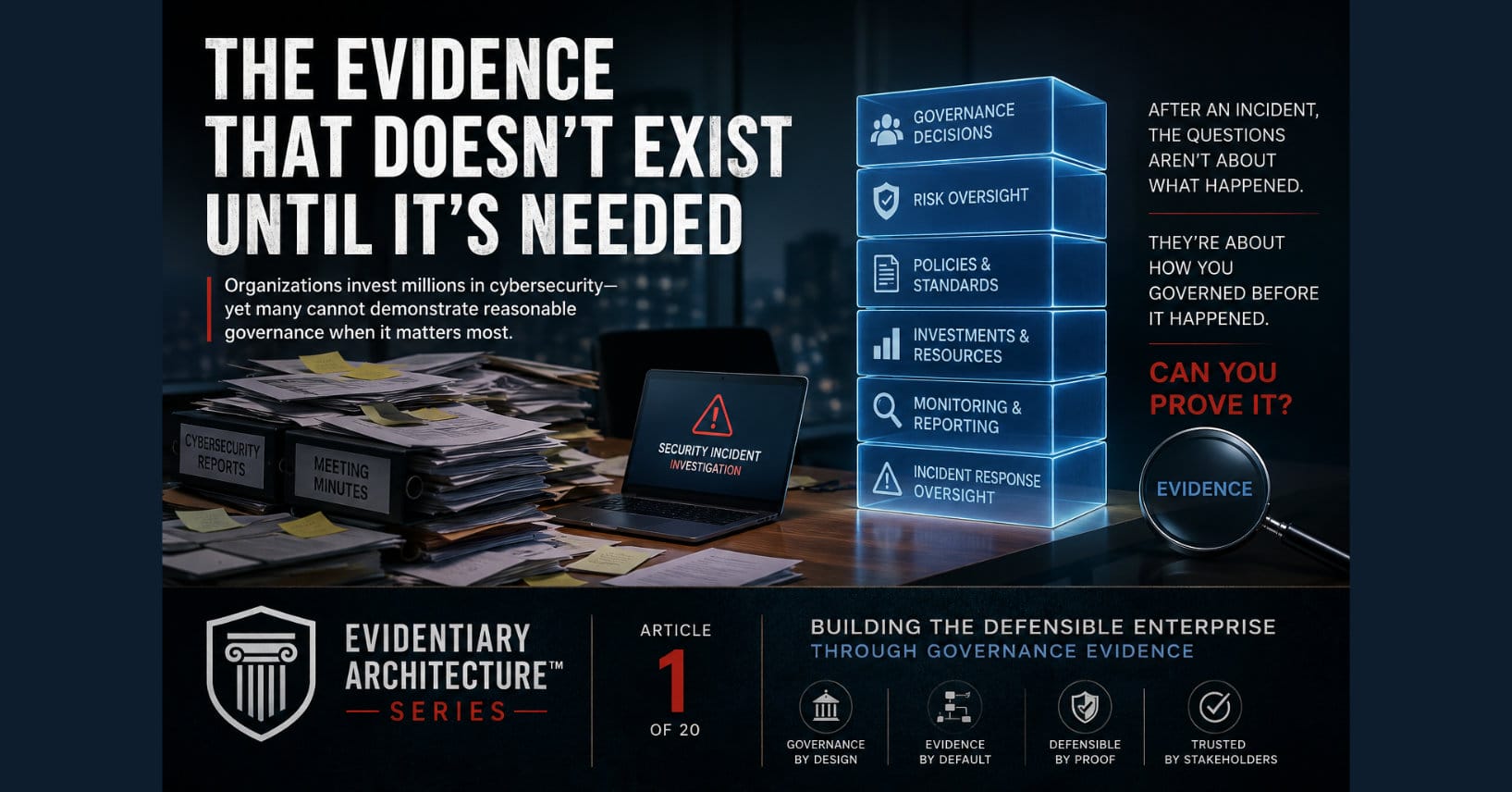
They are expected to ensure that material risk is recognized, reported, escalated, and documented.
When these three questions are consistently addressed, several things change:
- Reporting becomes structured around enterprise impact.
- Escalation discipline strengthens.
- Budget discussions gain context.
- Minutes reflect informed engagement.
- Oversight becomes defensible.
Cyber risk does not demand technical mastery at the board level.
It demands clarity of responsibility.
A Note on Culture
The quality of board questions shapes organizational posture.
When directors ask about patch counts, management reports patch counts.
When directors ask about material disruption scenarios and risk tolerance alignment, management prepares differently.
Tone at the top influences resilience at every level below it.
Practical Next Steps for Boards
At your next board or committee meeting, consider:
- Requesting a brief scenario-based cyber impact summary.
- Asking management to outline current board notification triggers.
- Discussing whether cyber risk tolerance has been formally articulated.
- Confirming that oversight discussions are reflected in minutes.
Small structural adjustments produce significant governance improvement.
Looking Ahead
In our next edition, we will examine the duty of care in the digital age — and how courts and regulators evaluate board oversight after a cyber incident.
Cybersecurity governance is not about fear.
It is about structure.
And structure is what protects institutions when risk materializes.
If you serve on a board or advise executive leadership teams, subscribe to The Cyber Governance Brief Newsletter on LinkedIn for practical governance insight grounded in fiduciary responsibility.