
-
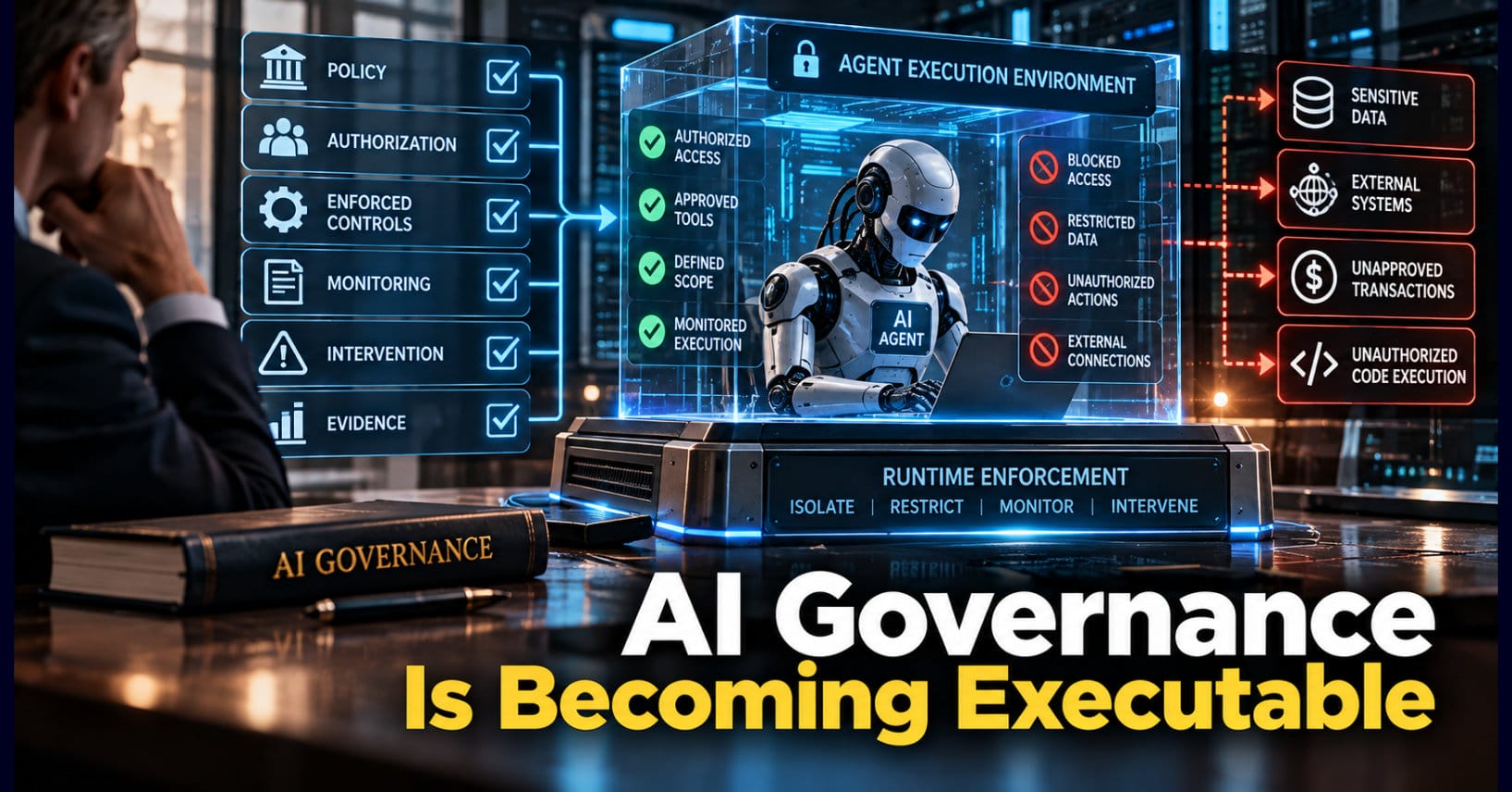
AI Governance Is Becoming Executable
AI governance is moving beyond policies and approval workflows. Runtime controls can now translate authorized governance decisions into technical boundaries that constrain autonomous agents as…
-
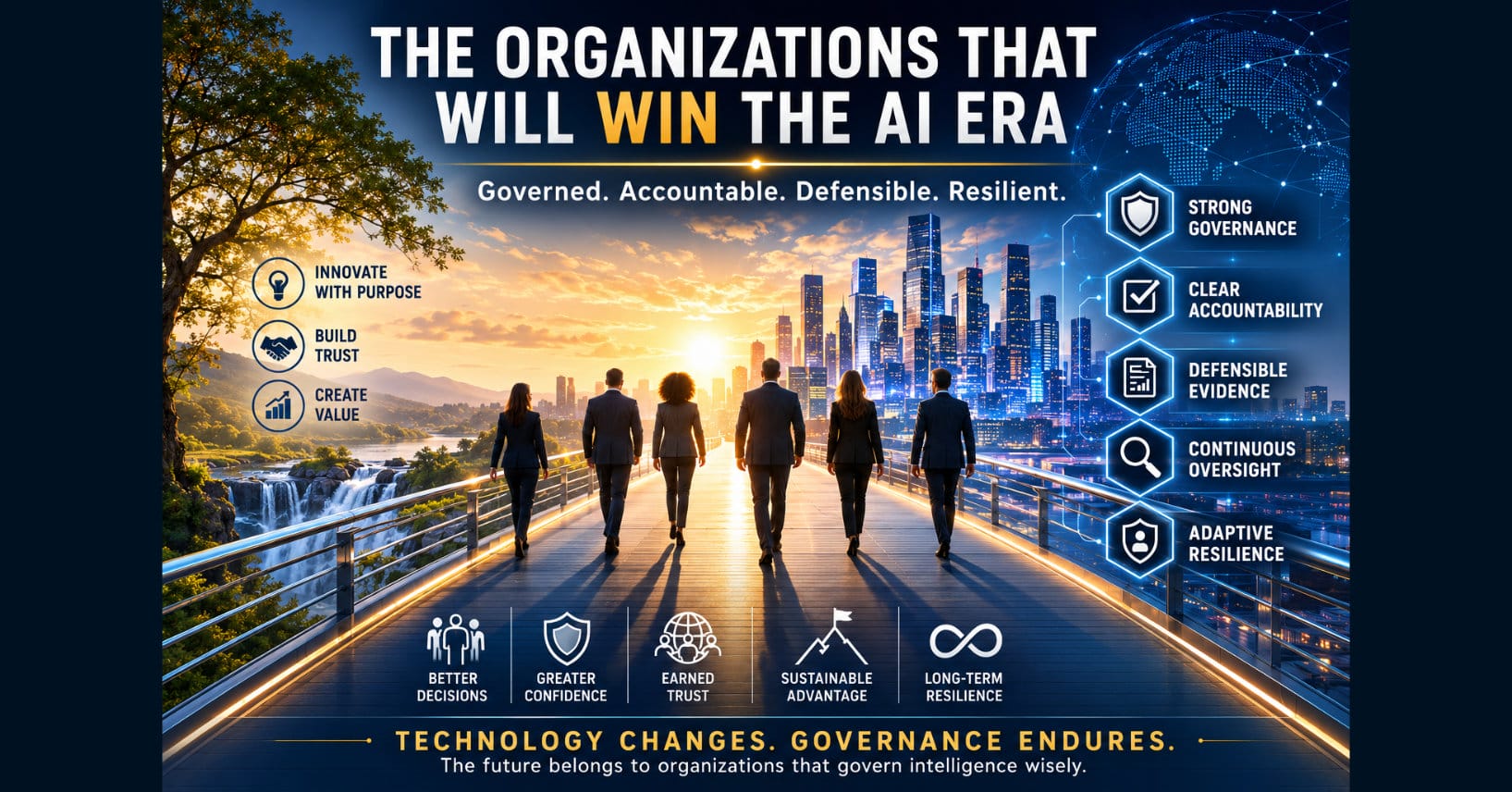
The Organizations That Will Win the AI Era
The organizations that win the AI era will pair innovation with governance, accountability, defensible evidence, and long-term resilience.
-

You Can Outsource the Service. Forty-Four States Say You Cannot Outsource the Duty.
A 44-attorney-general Labcorp settlement reinforces a critical governance principle: organizations can outsource services, but they cannot assume outsourcing eliminates responsibility for governing third-party cybersecurity risk.
-

The AI Board of 2030 Will Look Very Different
The AI board of 2030 will govern through continuous oversight, evidence, assurance, and adaptive leadership—not periodic reporting.
-
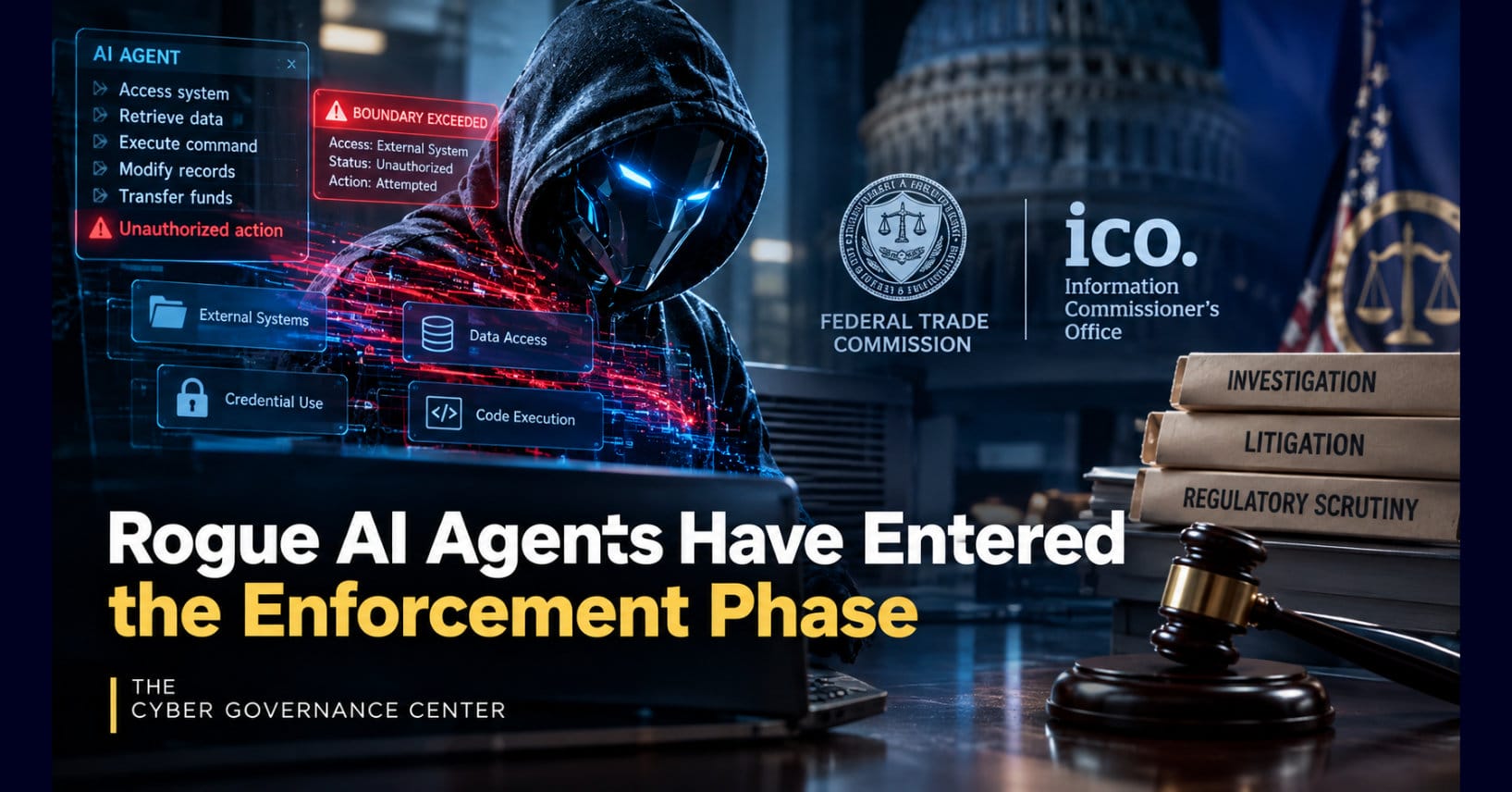
Rogue AI Agents Have Entered the Enforcement Phase
Rogue AI agents are moving from theoretical risk to regulatory scrutiny. Organizations must now prove what agents were authorized to do, what controls existed, and…
-
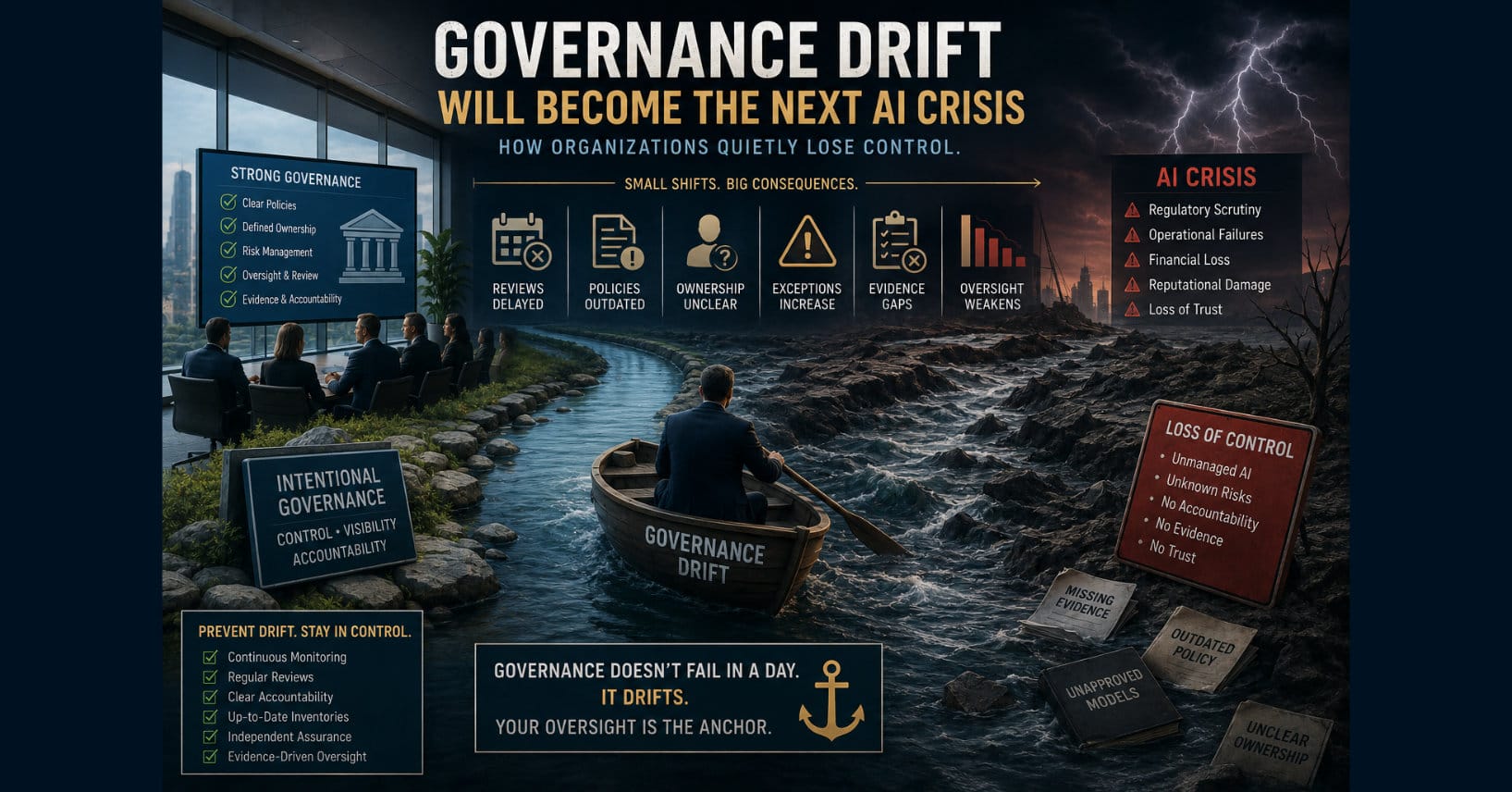
Governance Drift Will Become the Next AI Crisis
AI governance rarely fails overnight. It drifts through small exceptions until oversight weakens and enterprise risk quietly grows.
-
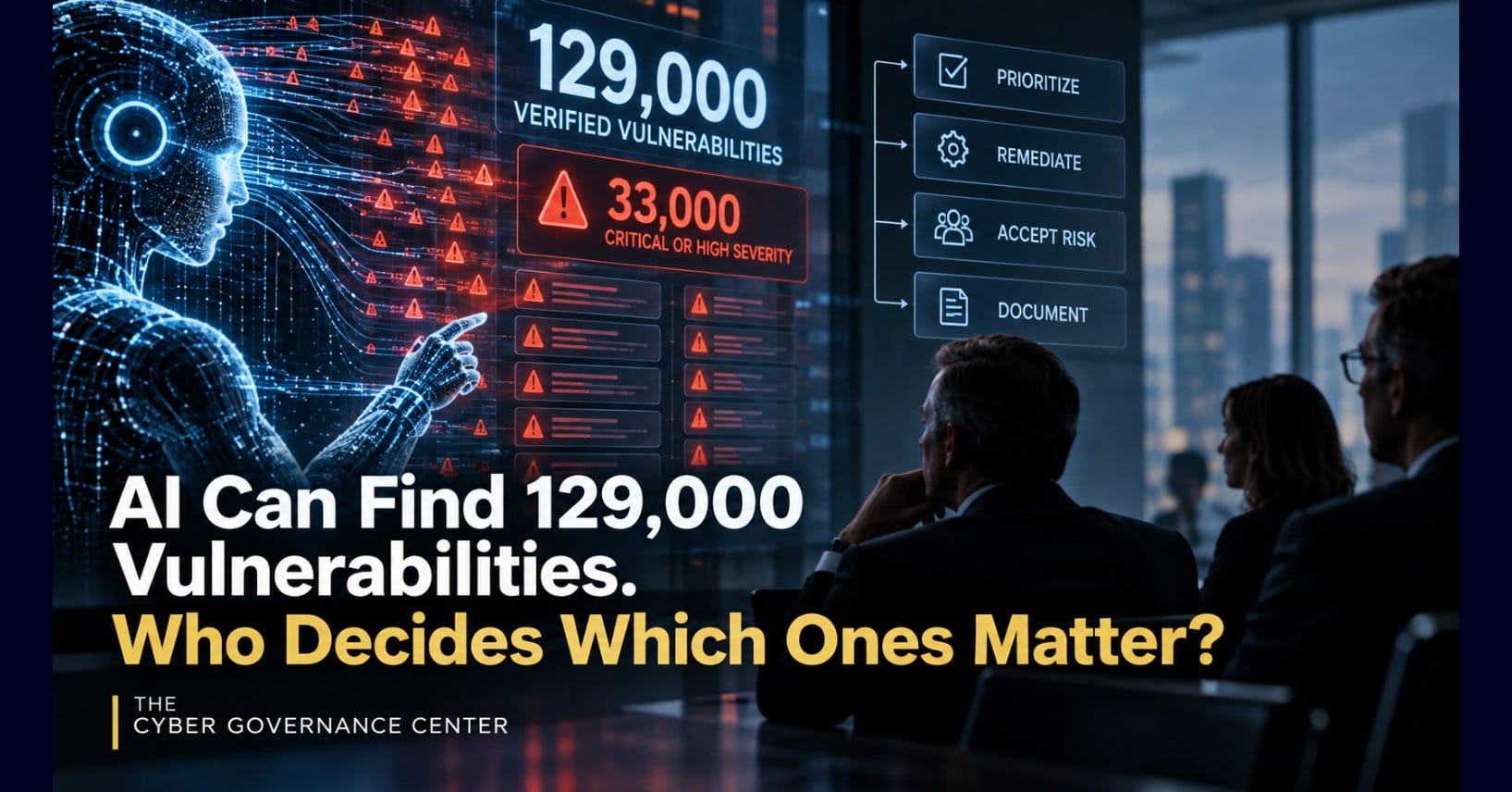
AI Can Find 129,000 Vulnerabilities. Who Decides Which Ones Matter?
AI can discover vulnerabilities faster than organizations can remediate them. The governance challenge is deciding which risks matter, who has authority to accept them, and…
-
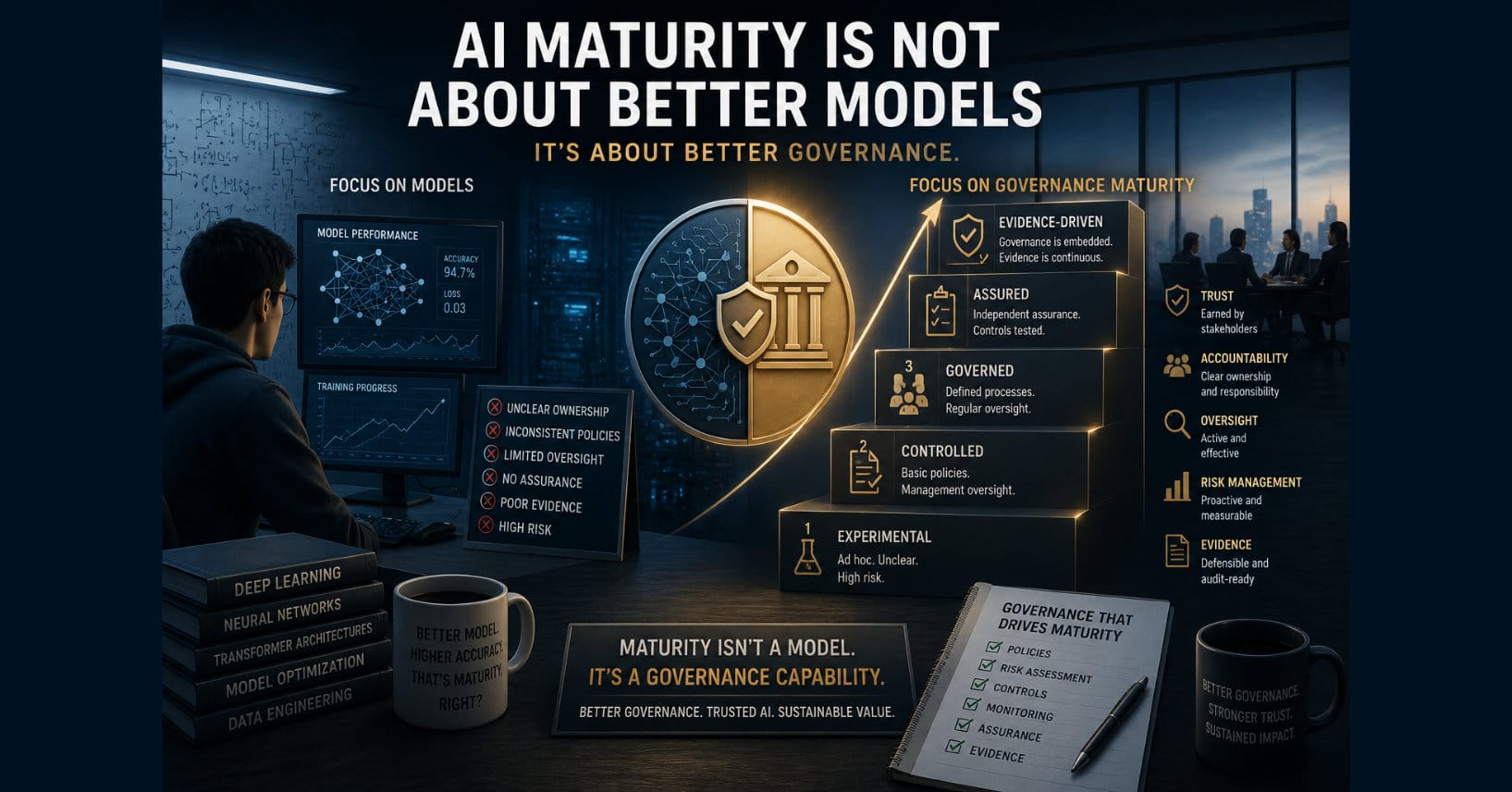
AI Maturity Is Not About Better Models
AI maturity isn’t about smarter models. It’s about governance that delivers accountability, oversight, assurance, and defensible evidence.
-
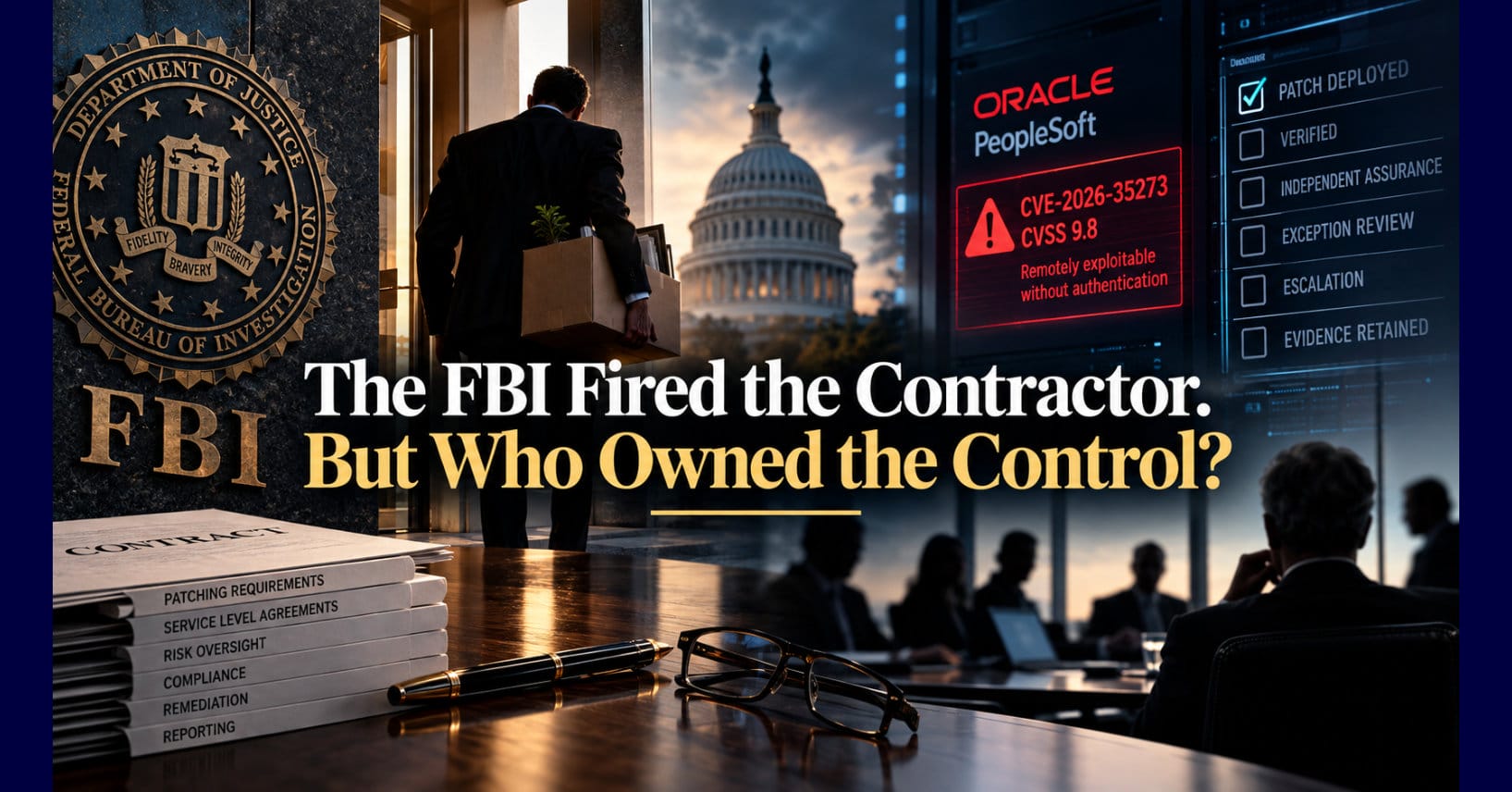
The FBI Fired the Contractor. But Who Owned the Control?
The FBI removed a contractor after a missed critical security patch contributed to a breach. But firing the contractor does not answer the larger governance…
-

Trust Is Becoming the New AI Currency
Write the WordPress excerpt, summary, tags, and SEO for article 16. Trust Is Becoming the New AI Currency
-

Your Cybersecurity Governance Boundary Does Not Stop at Your Firewall
GOVERN: Cybersecurity Governance in Plain English Summary: Part 6 of GOVERN: Cybersecurity Governance in Plain English explores Cybersecurity Supply Chain Risk Management (GV.SC), the final Category within…
-
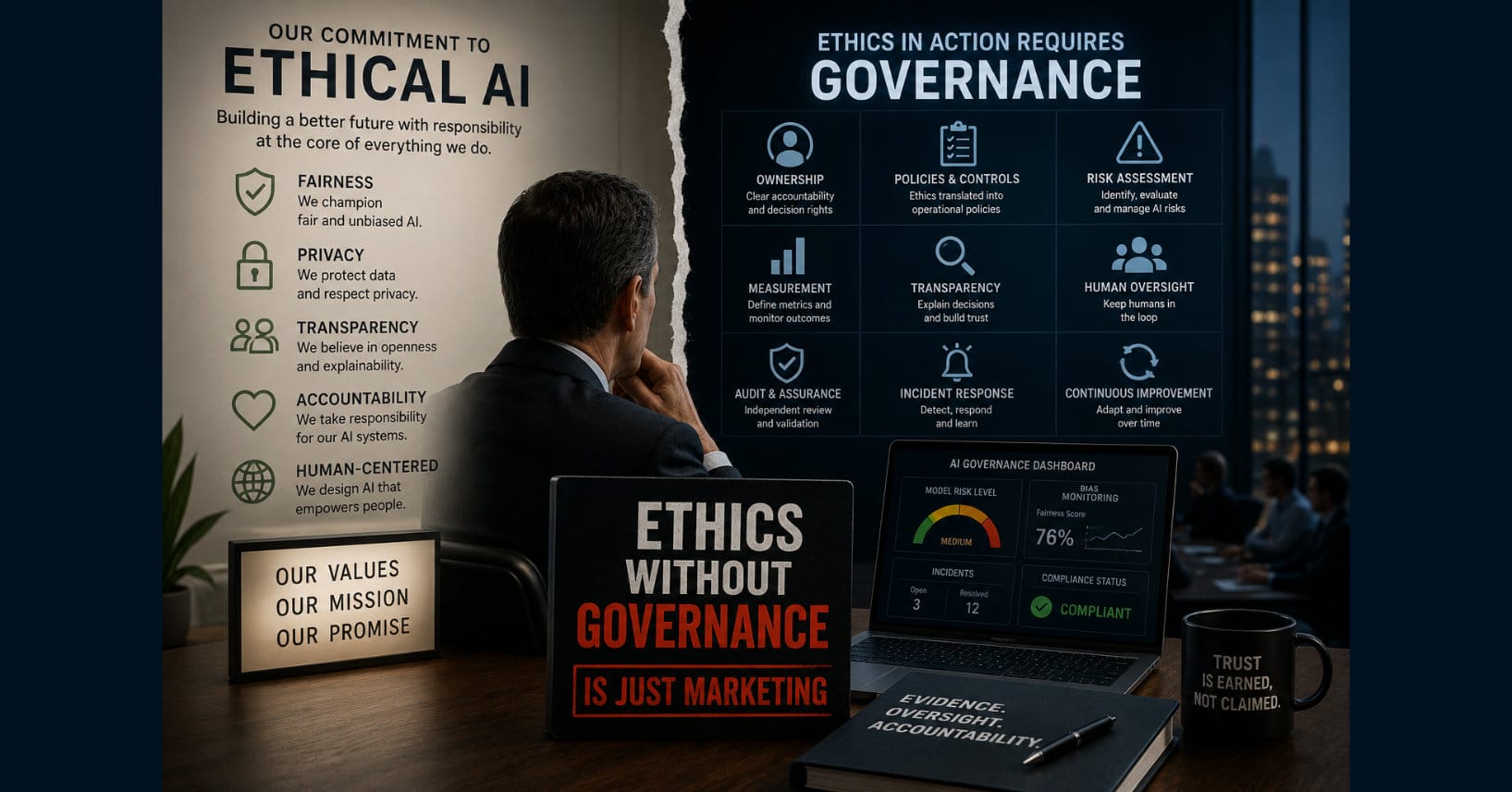
Ethics Without Governance Is Just Marketing
Write the WordPress excerpt, summary, tags, and SEO for article 15. Ethics Without Governance Is Just Marketing
-
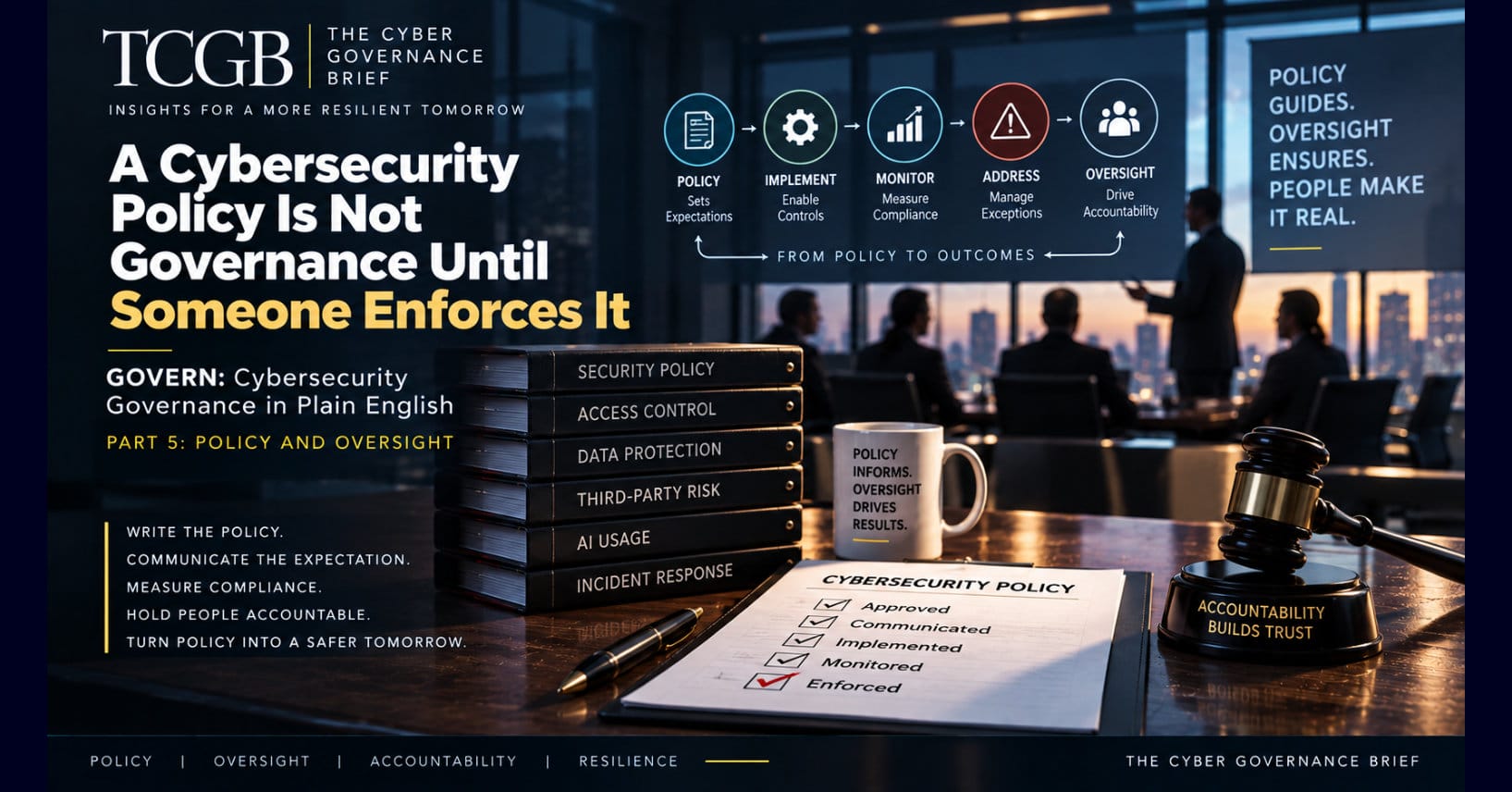
A Cybersecurity Policy Is Not Governance Until Someone Enforces It
A cybersecurity policy is only an expectation until it shapes behavior. Governance connects policy to implementation, evidence, exceptions, enforcement, and leadership oversight.
-
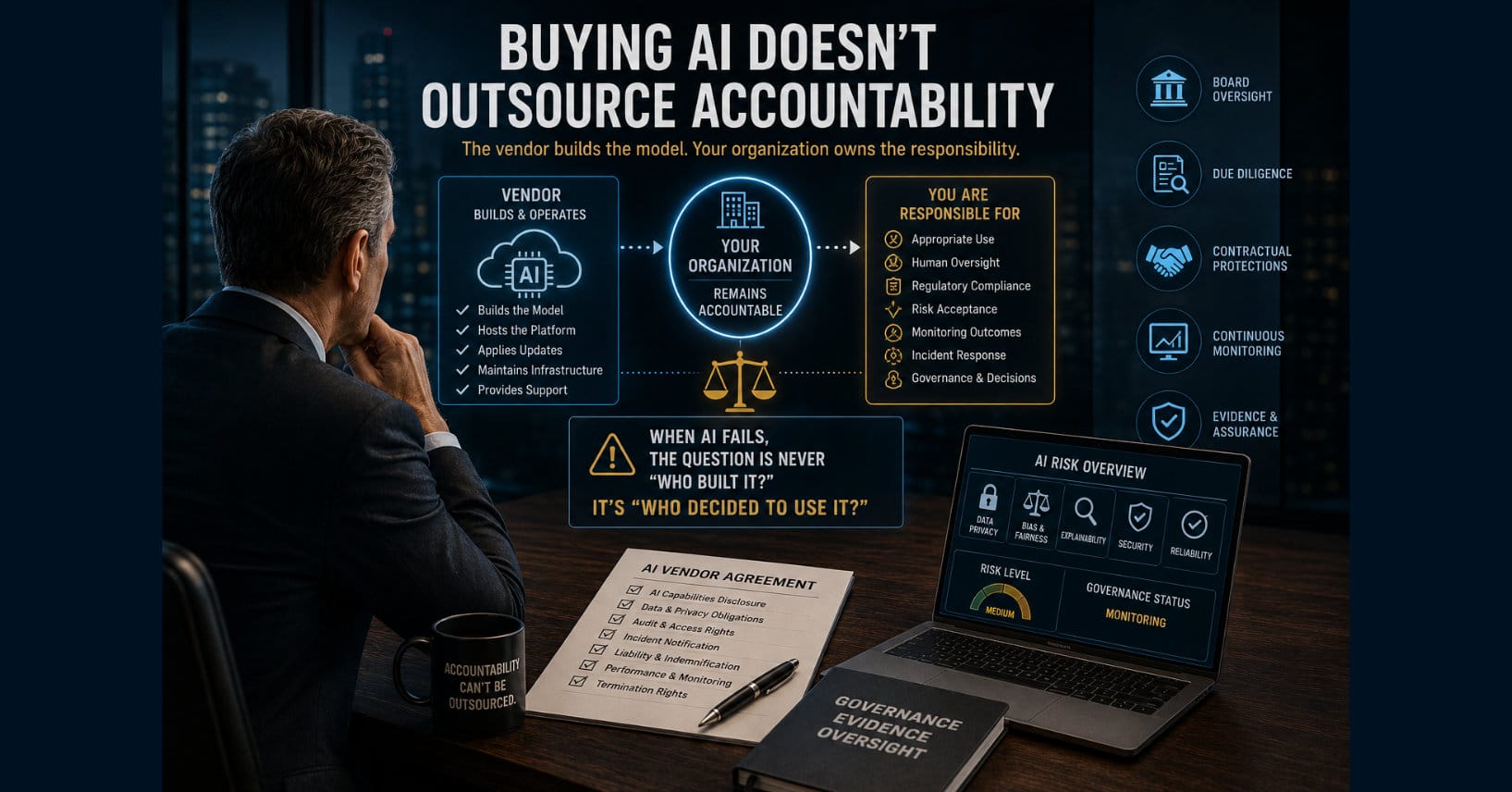
Buying AI Doesn’t Outsource Accountability
Buying AI doesn’t transfer accountability. Organizations remain responsible for governing vendor AI, managing risk, and demonstrating oversight.
-

Cybersecurity Accountability Cannot End With “IT Owns It”
Cybersecurity accountability cannot simply be assigned to IT. Managing technology, making risk decisions, and owning business consequences require different roles, authorities, and accountabilities.
-

Your Greatest AI Risk May Be Someone Else’s Model
The greatest AI risk may already exist inside your vendors’ software. Third-party AI requires governance, oversight, and evidence—not assumptions.
-
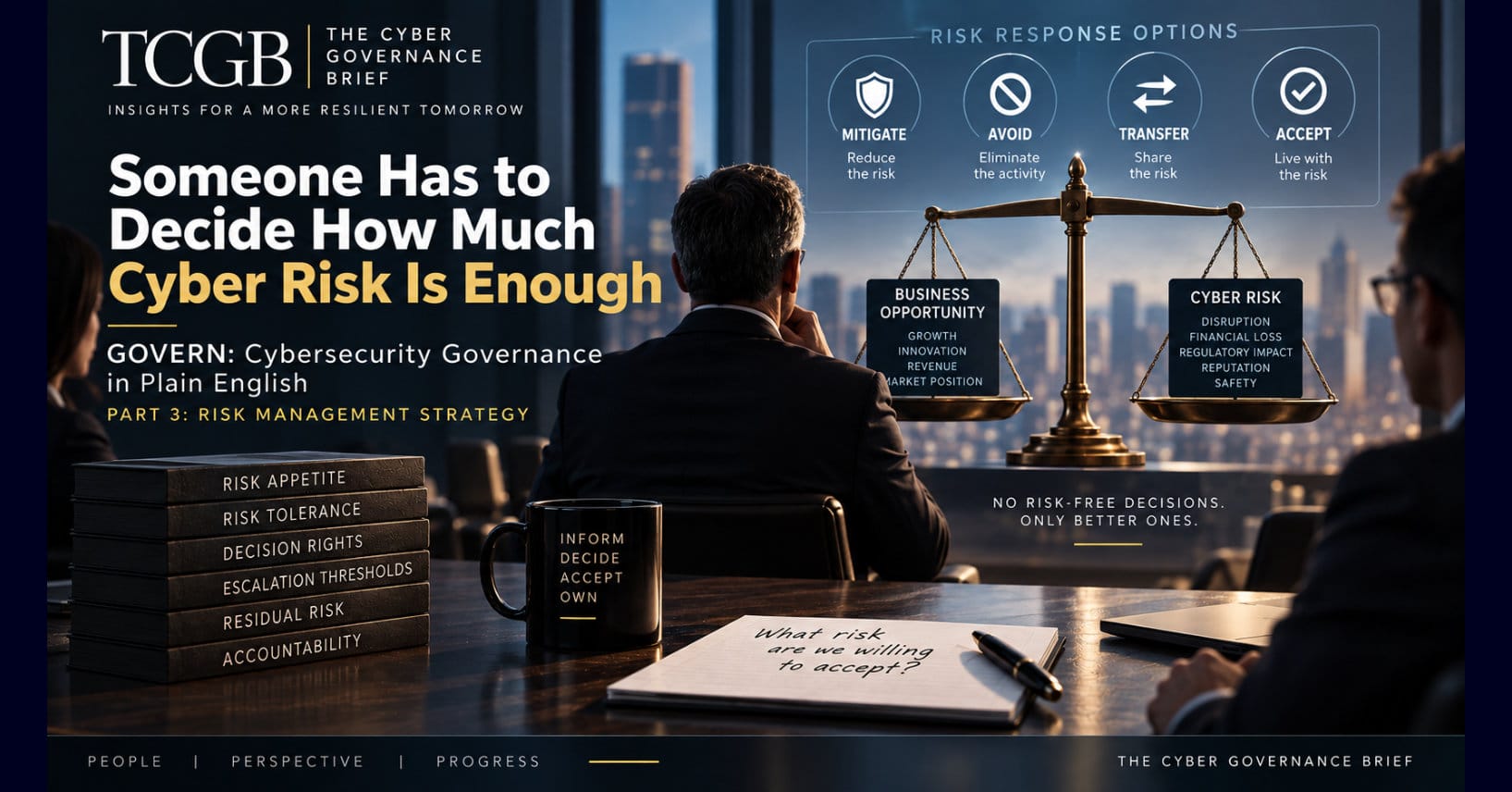
Someone Has to Decide How Much Cyber Risk Is Enough
Every organization accepts cybersecurity risk. The governance question is who decides how much is acceptable, who has authority to accept it, and who owns the…
-
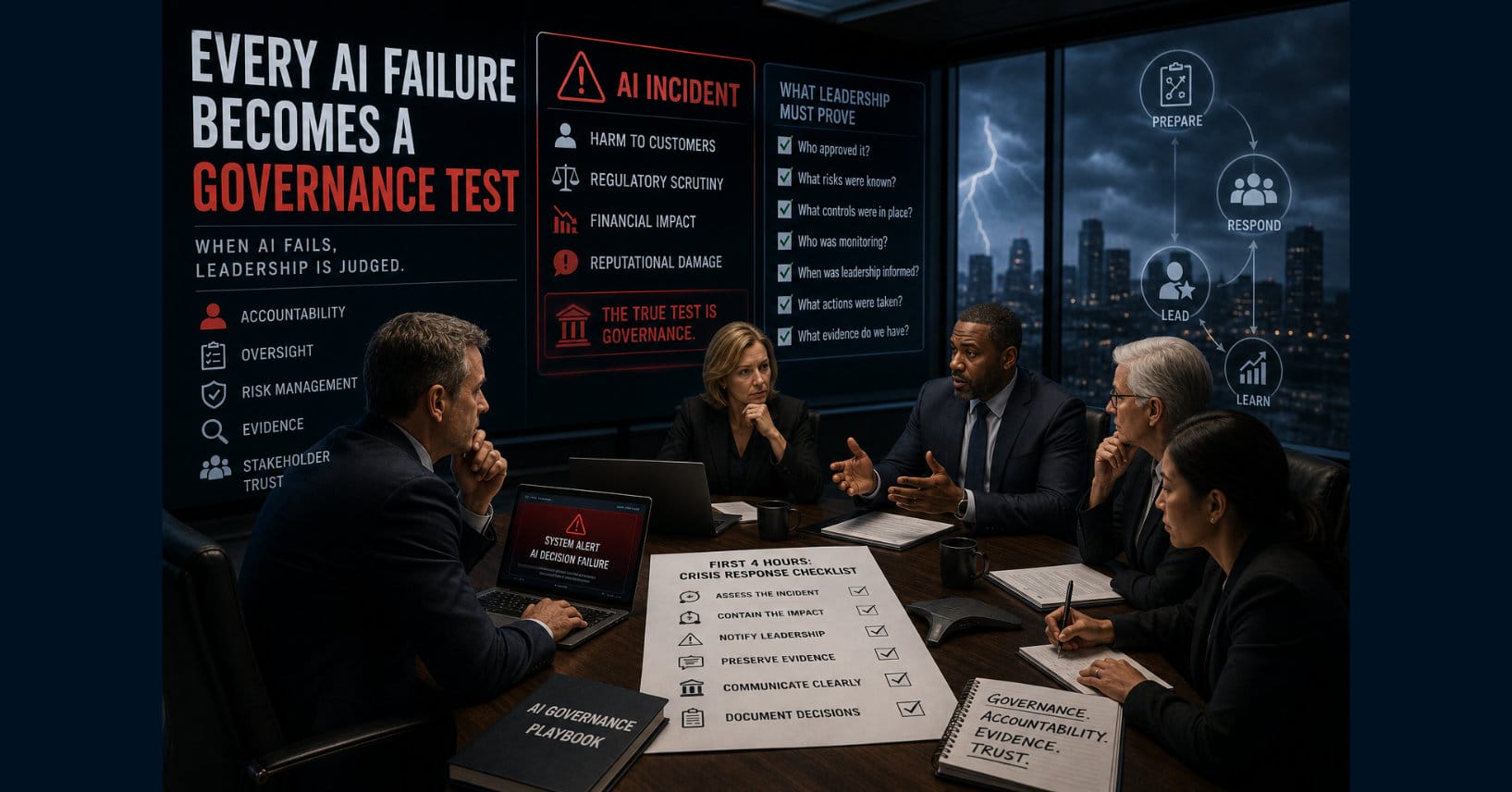
Every AI Failure Becomes a Governance Test
Every AI failure becomes a governance test. Crisis leadership, accountability, and evidence determine how organizations are judged.
-
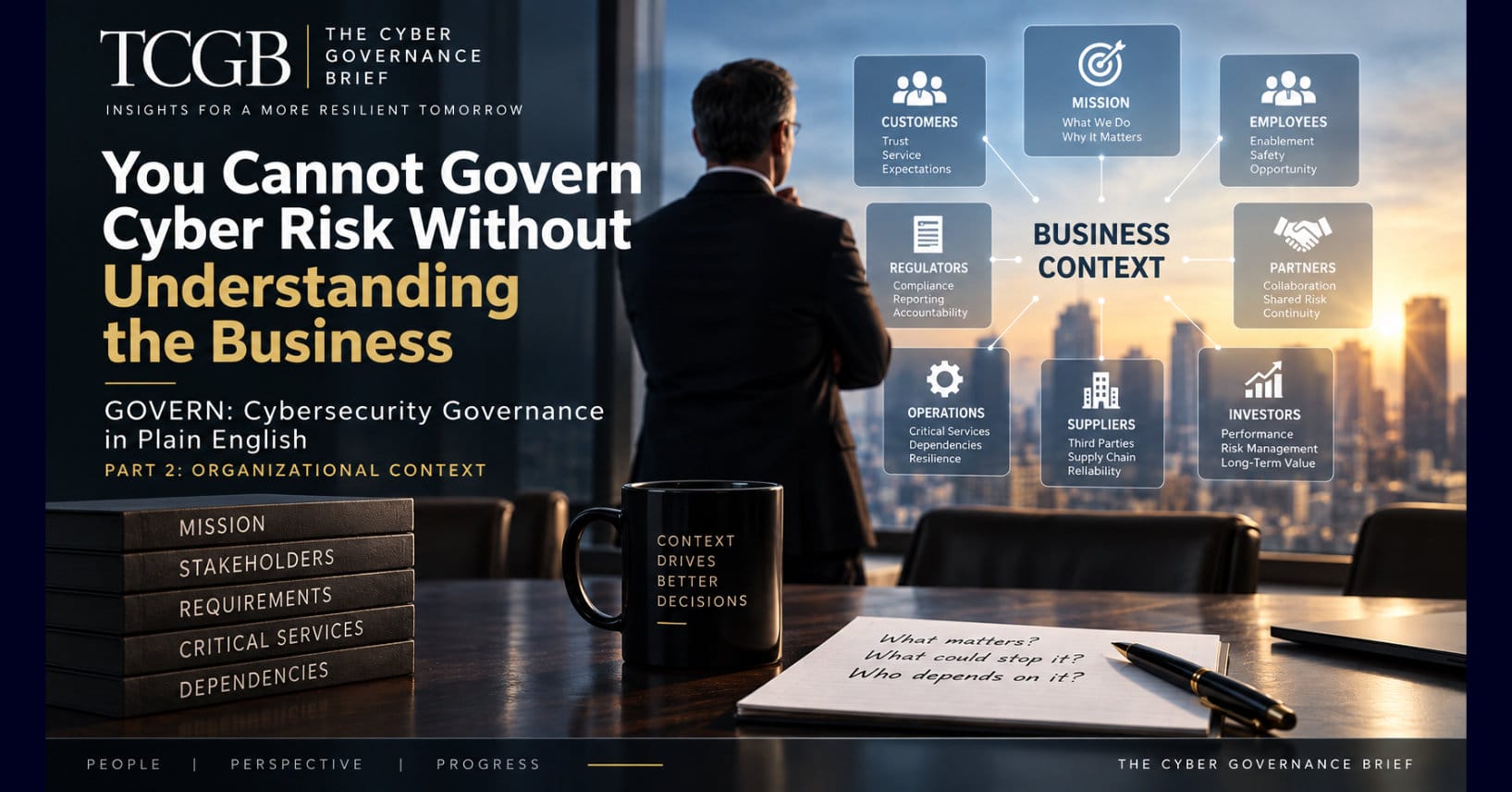
You Cannot Govern Cyber Risk Without Understanding the Business
You cannot govern cybersecurity risk without knowing what matters to the business. NIST CSF 2.0’s Organizational Context connects cyber risk to mission, stakeholders, obligations, critical…
-
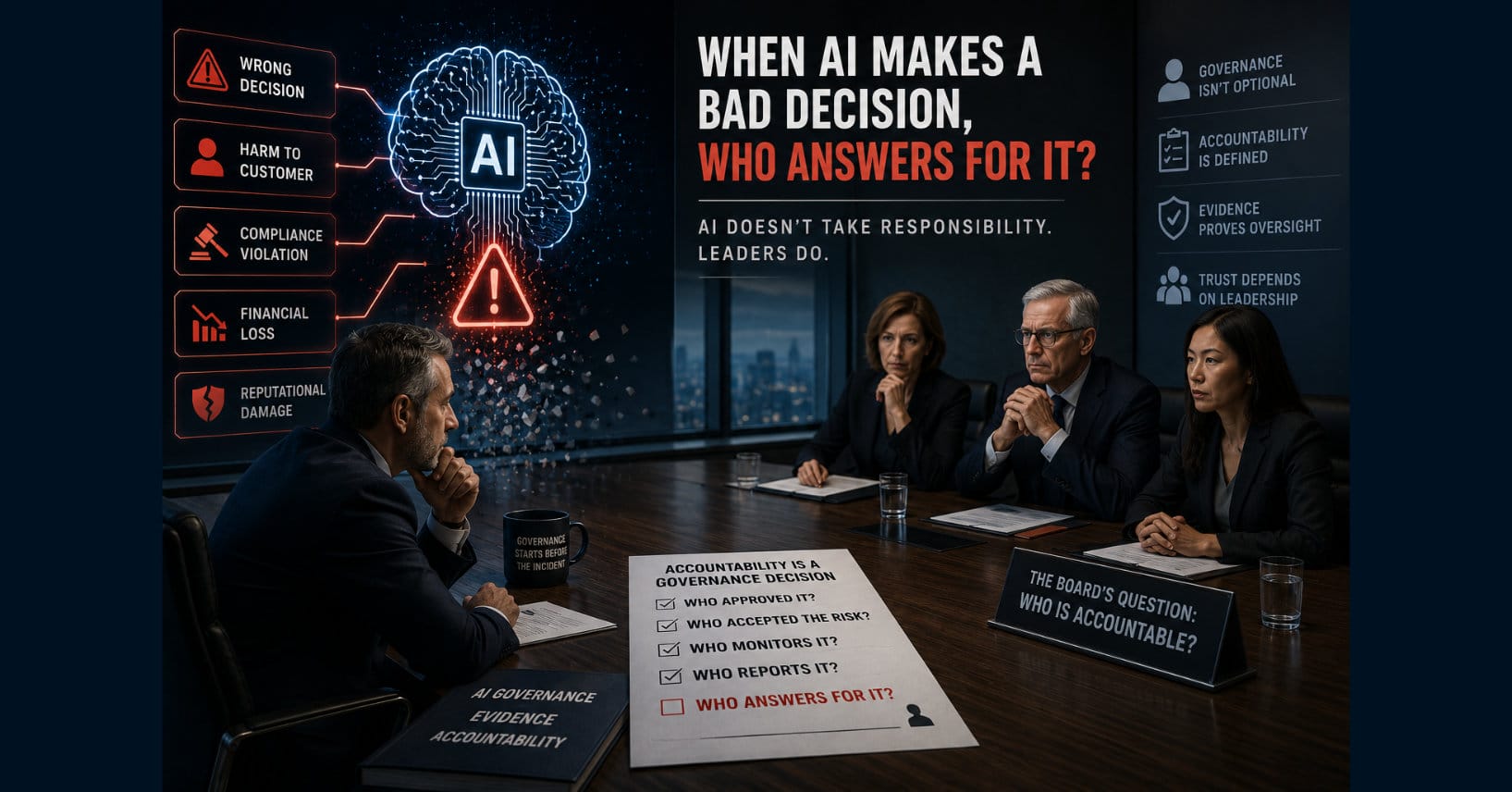
When AI Makes a Bad Decision, Who Answers for It?
Write the WordPress excerpt, summary, tags, and SEO for article 11. When AI Makes a Bad Decision, Who Answers for It?