
-
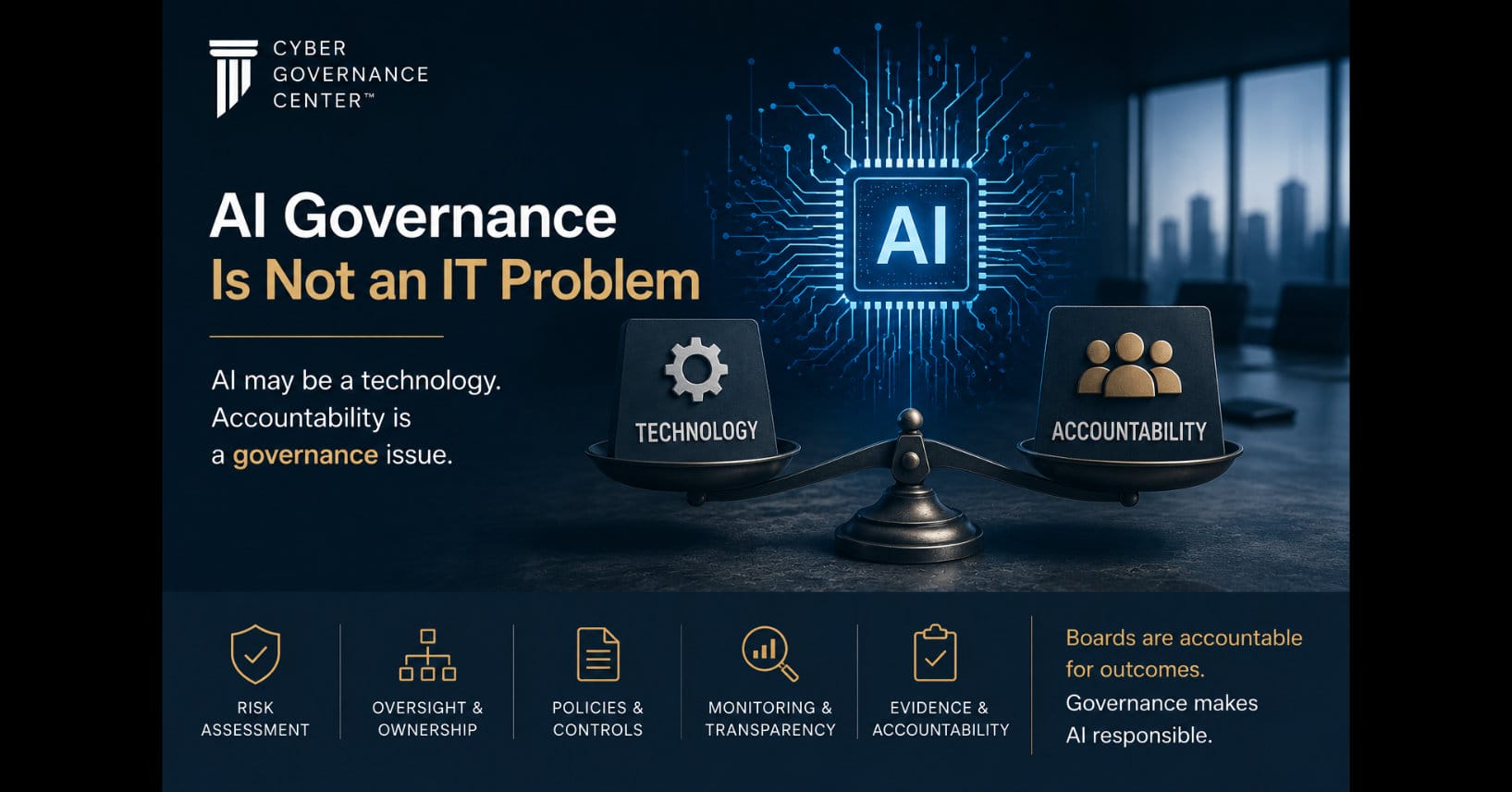
AI Governance Is Not an IT Problem
Many organizations treat artificial intelligence as a technology initiative. In reality, AI is a governance issue involving accountability, oversight, risk management, and enterprise decision-making. Boards…
-
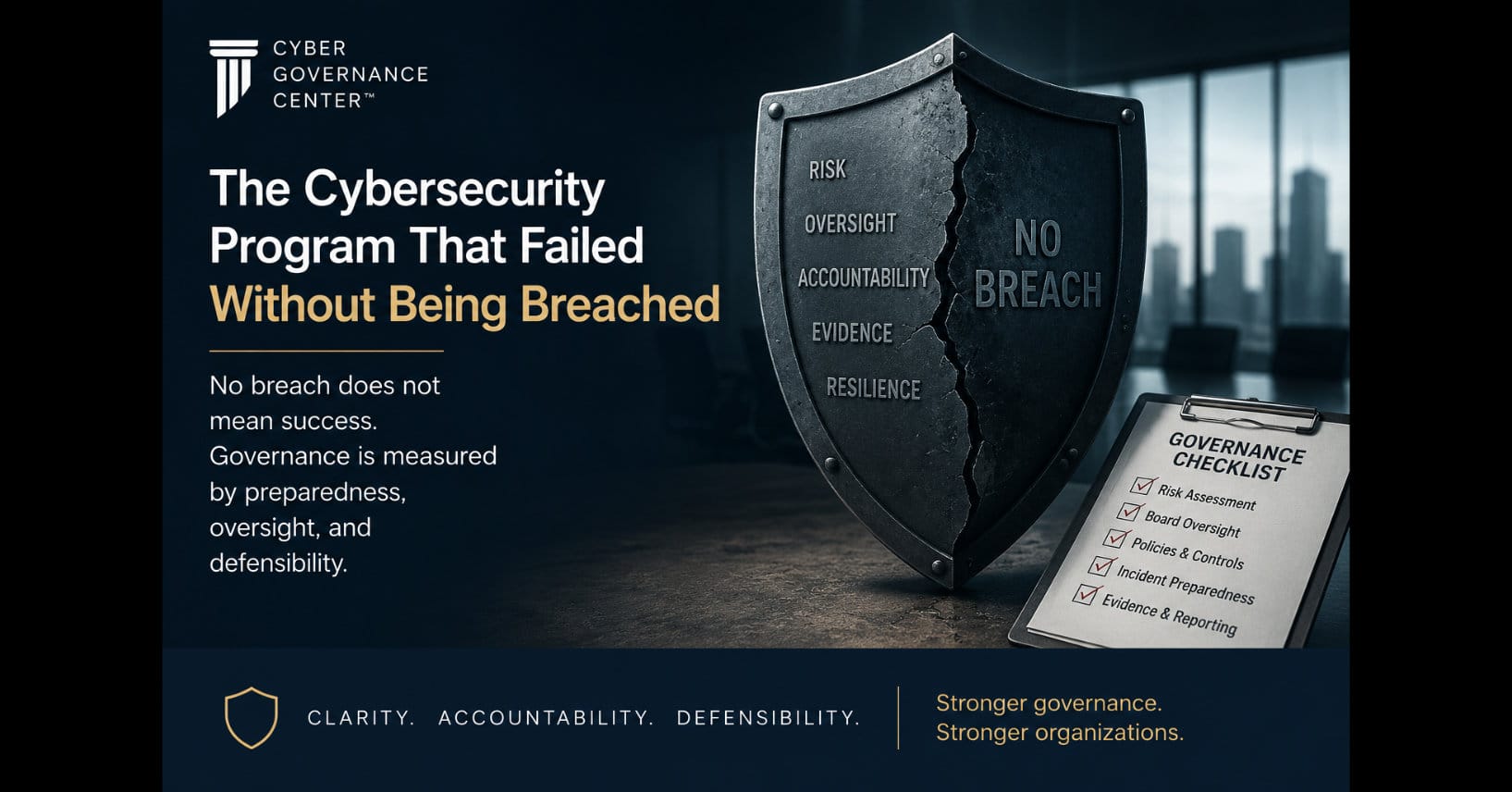
The Cybersecurity Program That Failed Without Being Breached
Many organizations measure cybersecurity success by the absence of incidents. Effective governance requires a different standard. Learn why preparedness, oversight, accountability, and defensibility are better…
-
From Technical Problem to Governance Standard: Where We Are Headed
Cybersecurity did not begin in the boardroom. It began as a technical problem. For years, that is where it remained. The Shift Is Already Underway…
-

The Next Five Years of Cybersecurity Governance
From Technical Oversight to Enterprise Accountability Cybersecurity governance is not static. It is evolving. And over the next five years, the expectations placed on boards…
-
The Board’s Role in Public Disclosure After a Breach
After a cyber incident, one question quickly rises: What do we disclose — and when? This is not only a legal decision. It is a…
-

Reputation Is a Digital Asset: Boards Must Protect It
Why Cyber Incidents Are Ultimately Trust Events Reputation has always mattered. But in a digital enterprise, reputation is no longer abstract. It is operational. Reputation…
-
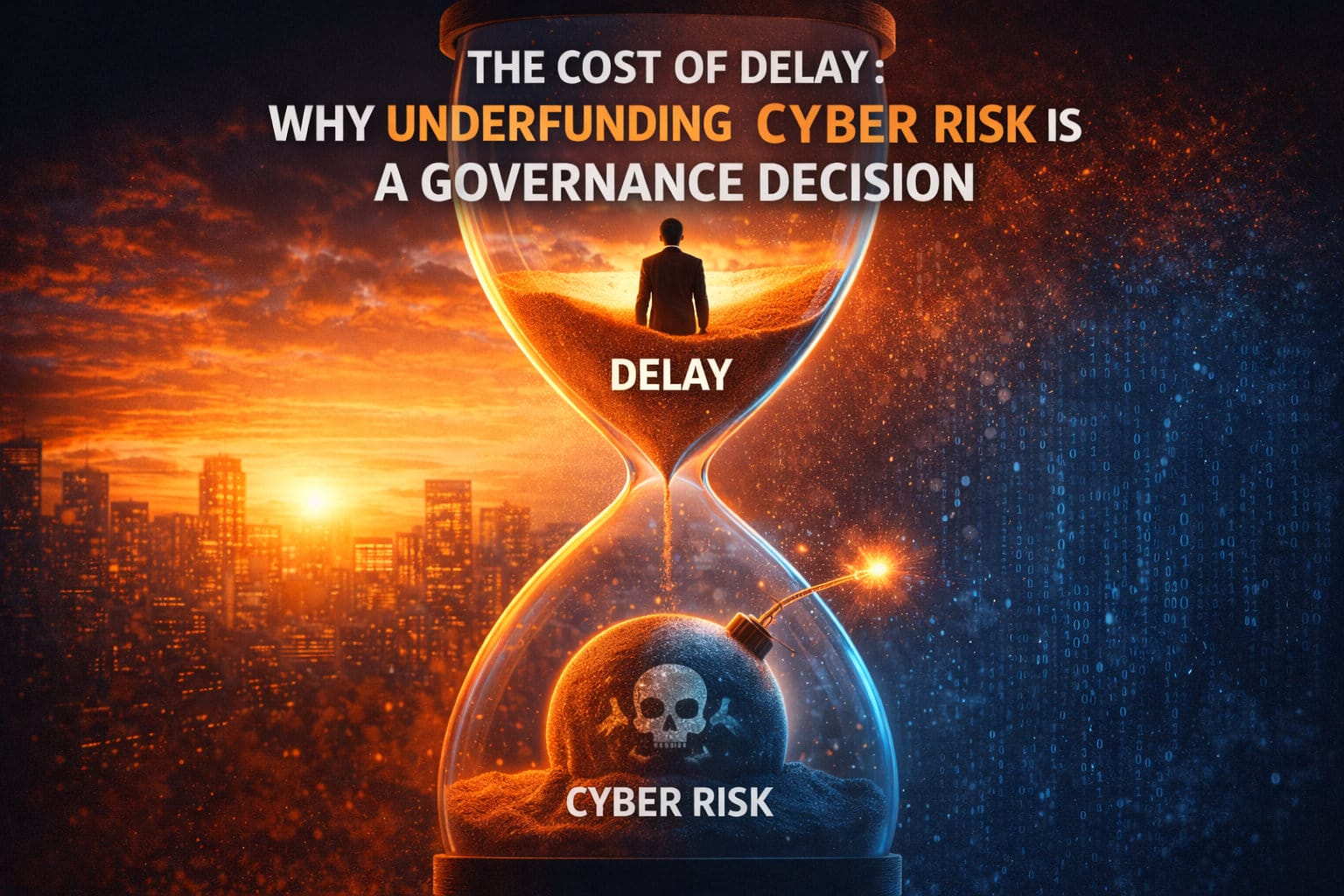
The Cost of Delay: Why Underfunding Cyber Risk Is a Governance Decision
Cyber risk is rarely ignored. It is more often deferred. The decision is not to avoid risk. It is to delay addressing it. Delay Is…
-

Balancing Mission Growth With Cyber Resilience
Why Investment Discipline Must Reflect Both Opportunity and Exposure Boards are designed to drive growth. Growth is the mandate. But growth introduces dependency. And dependency…
-
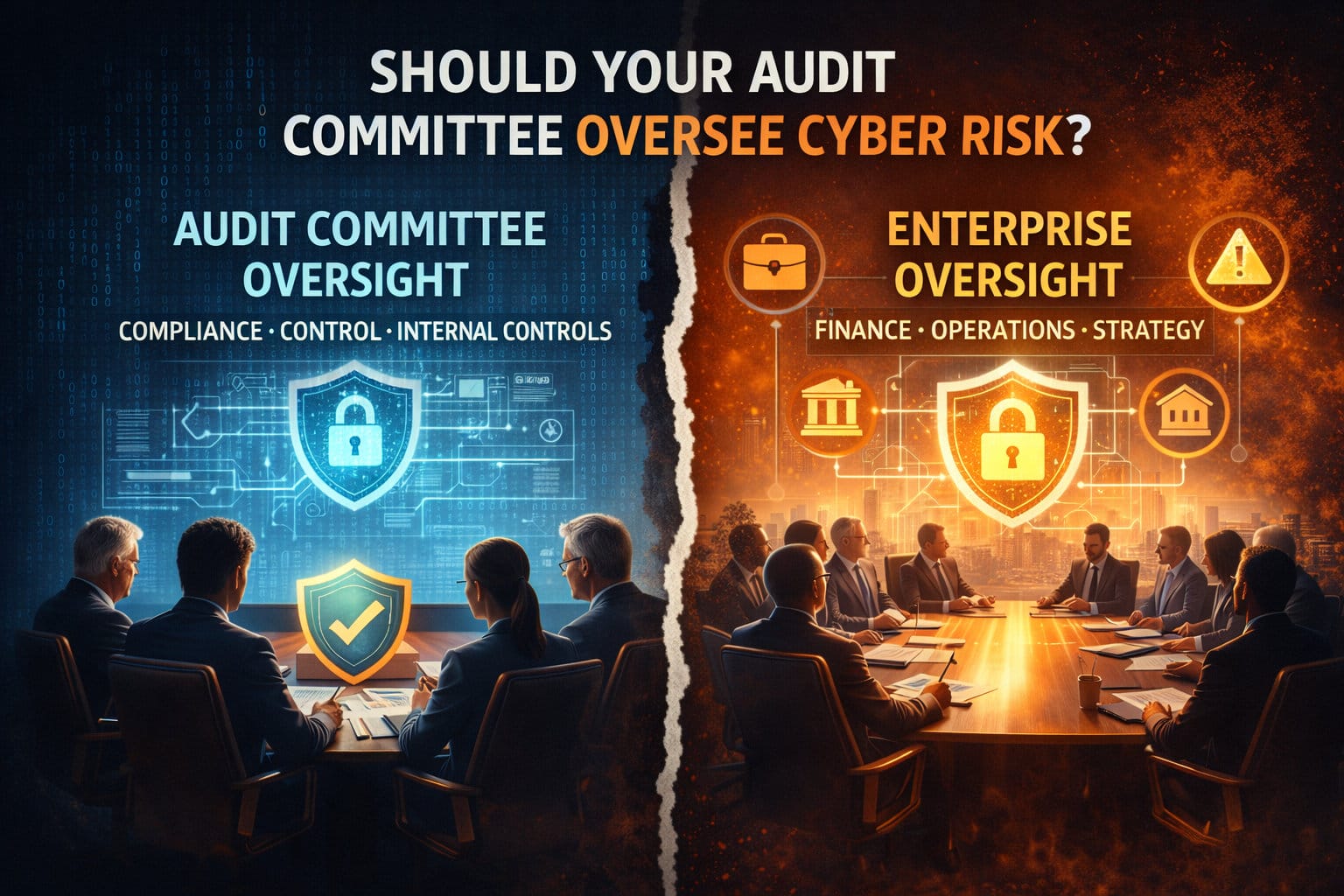
Should Your Audit Committee Oversee Cyber Risk?
In many organizations, cyber risk oversight defaults to the audit committee. It makes sense at first glance. Audit committees already oversee: Cyber risk appears adjacent…
-
Is Cyber Literacy Becoming a Required Board Competency?
Why Oversight Capability Is Now a Board Composition Issue Boards have long been constructed around core competencies. Finance.Legal.Operations.Industry expertise. These capabilities support oversight across traditional…
-
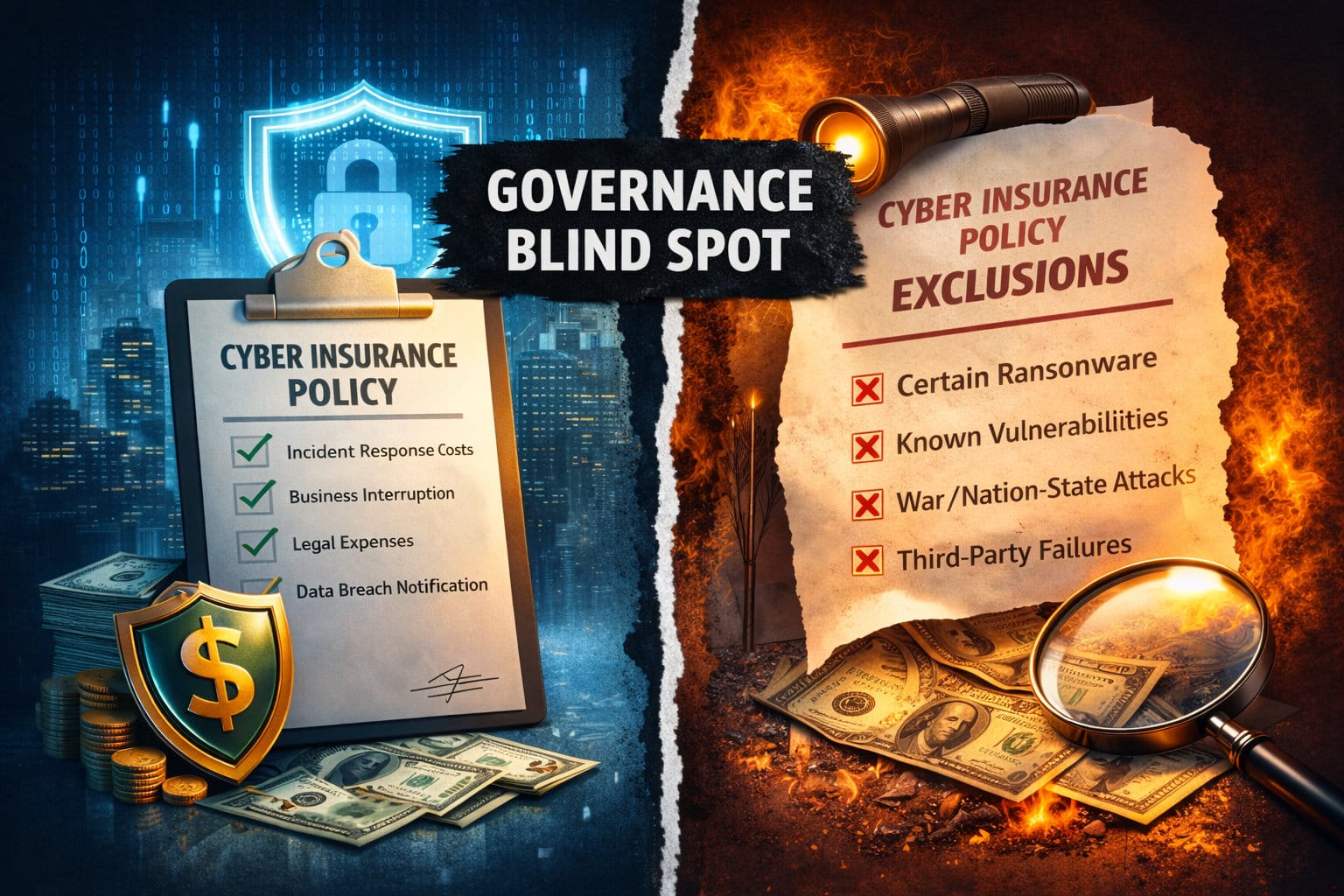
Premiums, Exclusions, and the Governance Blind Spot
Cyber insurance discussions in the boardroom often focus on one question: “What does the policy cover?” A more important question is often overlooked: “What does…
-

Cyber Insurance Is Not Governance
Why Policy Coverage Cannot Replace Oversight Discipline Cyber insurance has become a standard part of risk management. Policies are purchased.Coverage limits are reviewed.Premiums are negotiated.…
-
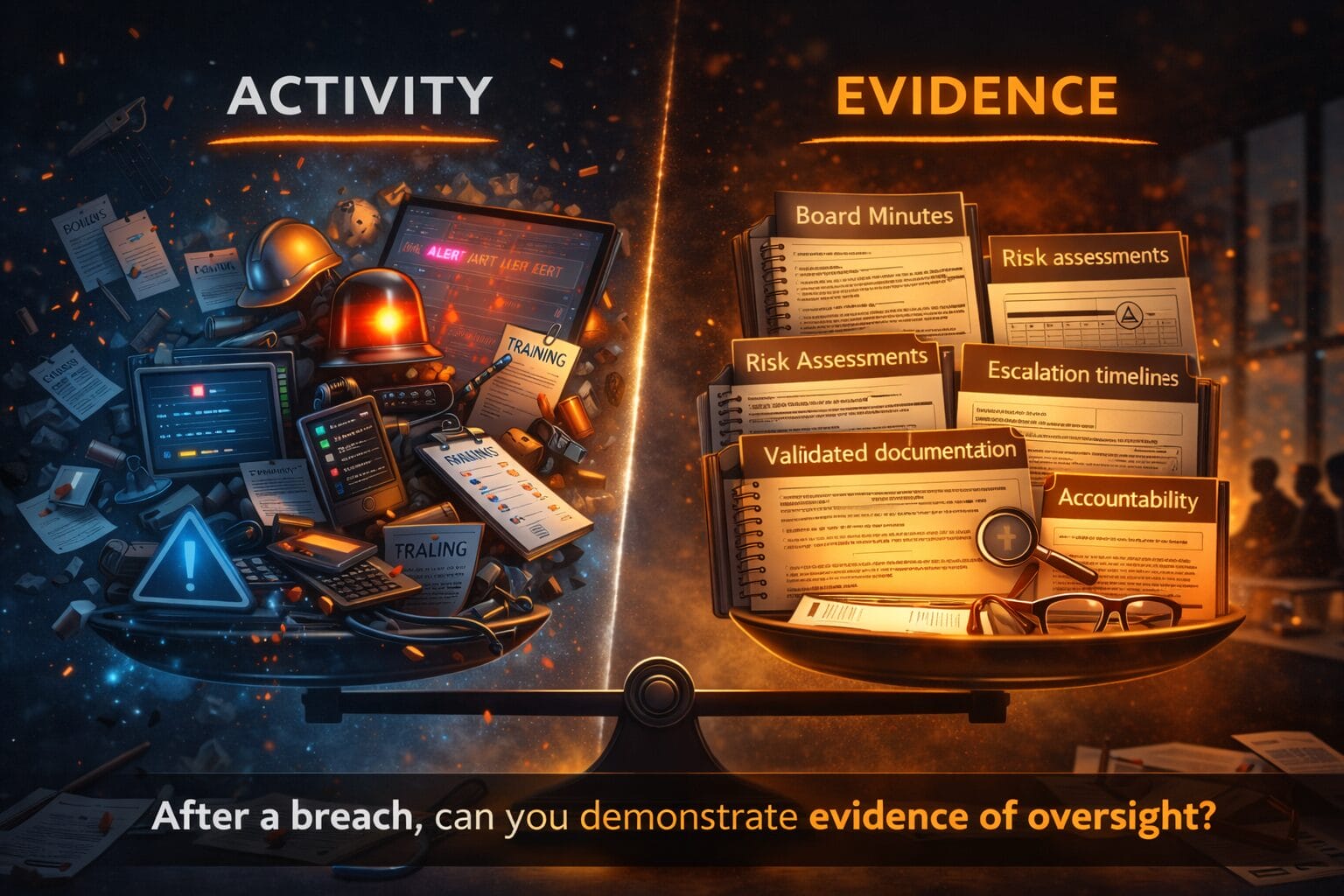
Evidence Over Activity: The Only Question That Matters After a Breach
After a breach, activity is irrelevant. Effort is irrelevant. Intent is irrelevant. There is only one question that ultimately matters: Can you demonstrate evidence of…
-
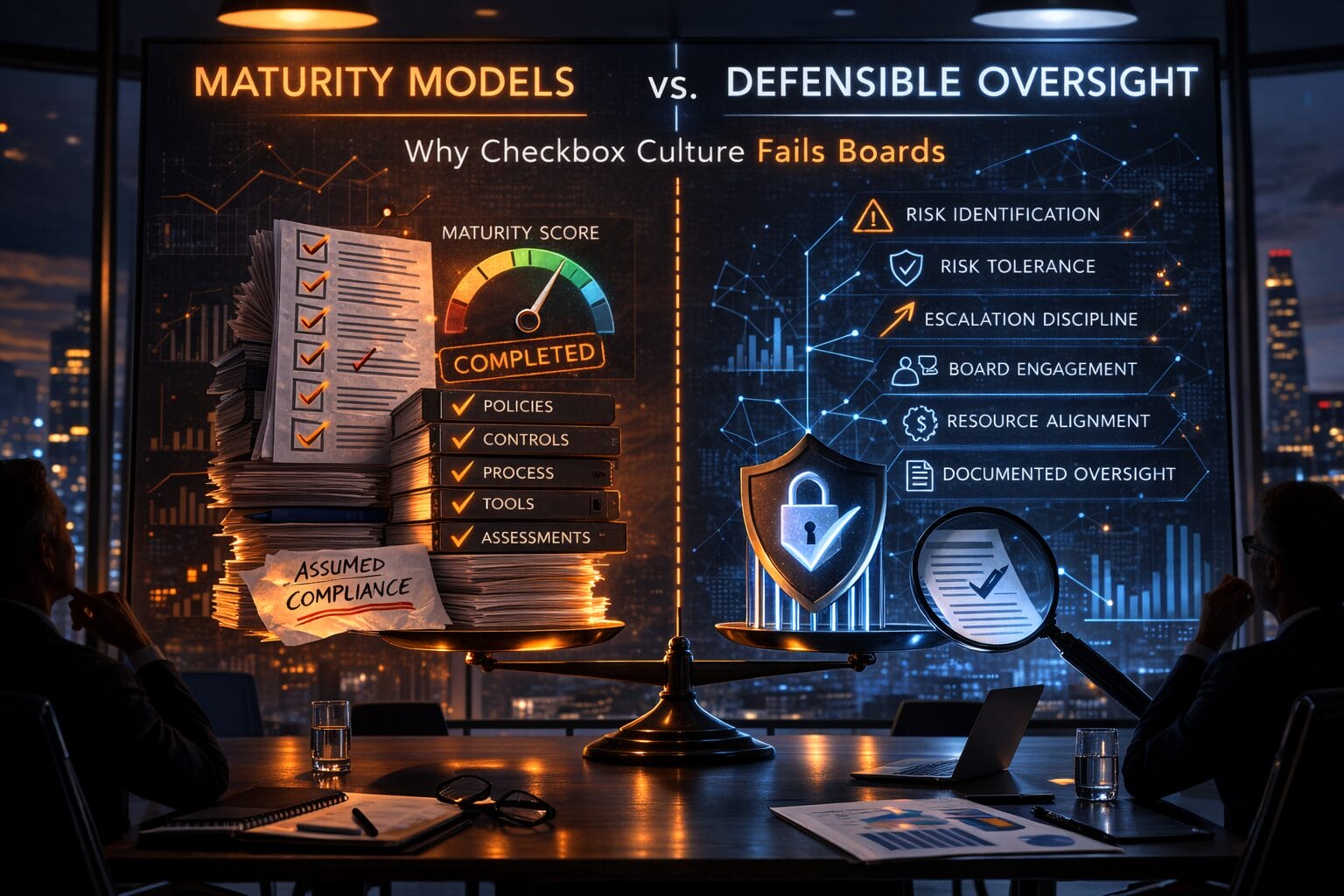
Maturity Models vs. Defensible Oversight
Why Checkbox Culture Fails Boards Cybersecurity maturity models are everywhere. Tiered levels. Color-coded scorecards. Benchmark comparisons. Self-assessment surveys. They provide structure. They can also create…
-
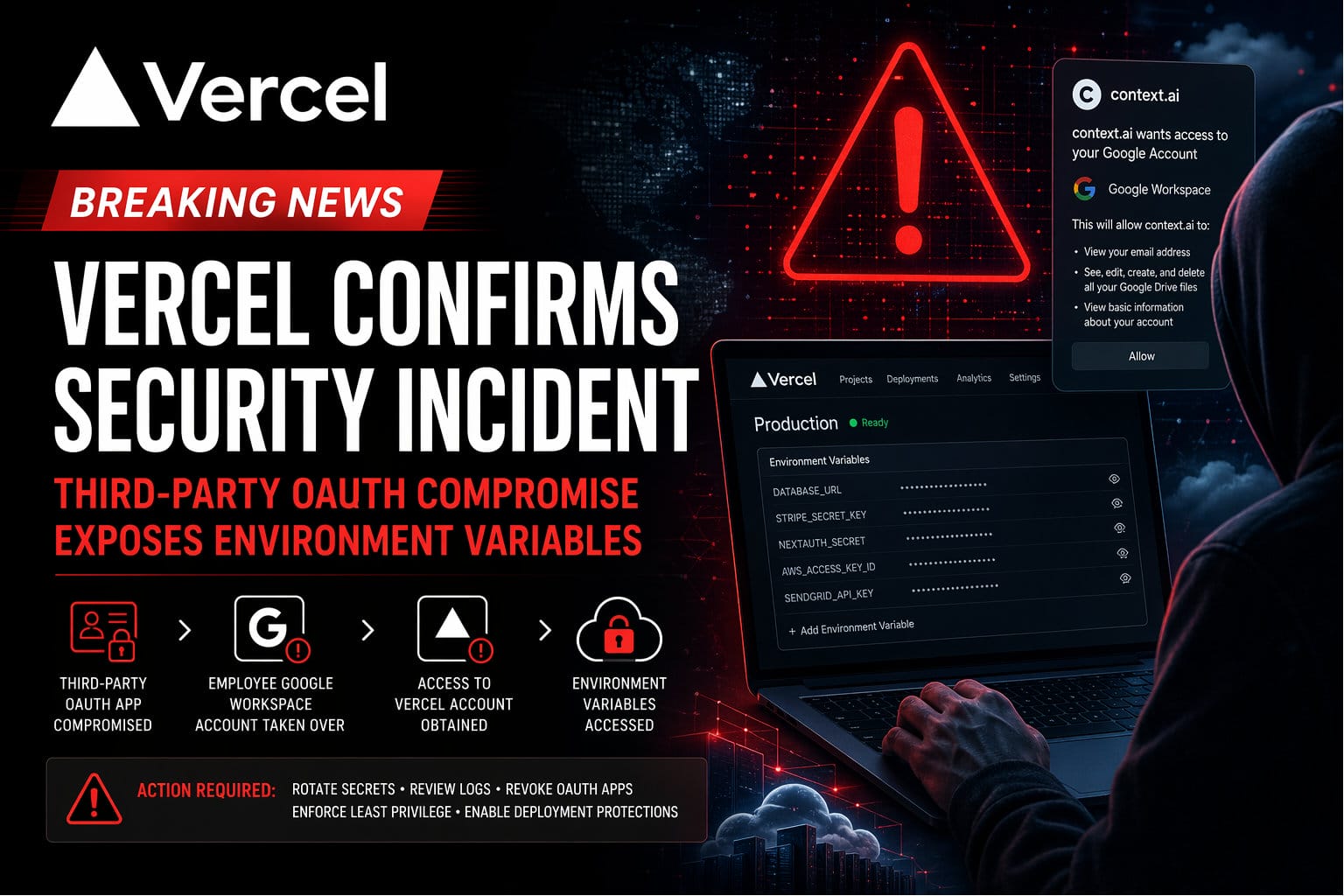
Vercel Confirms Security Incident Triggered by Third-Party OAuth Compromise
In a development that underscores the fragility of modern SaaS ecosystems, Vercel has confirmed a security incident originating not within its own infrastructure, but through a compromised…
-
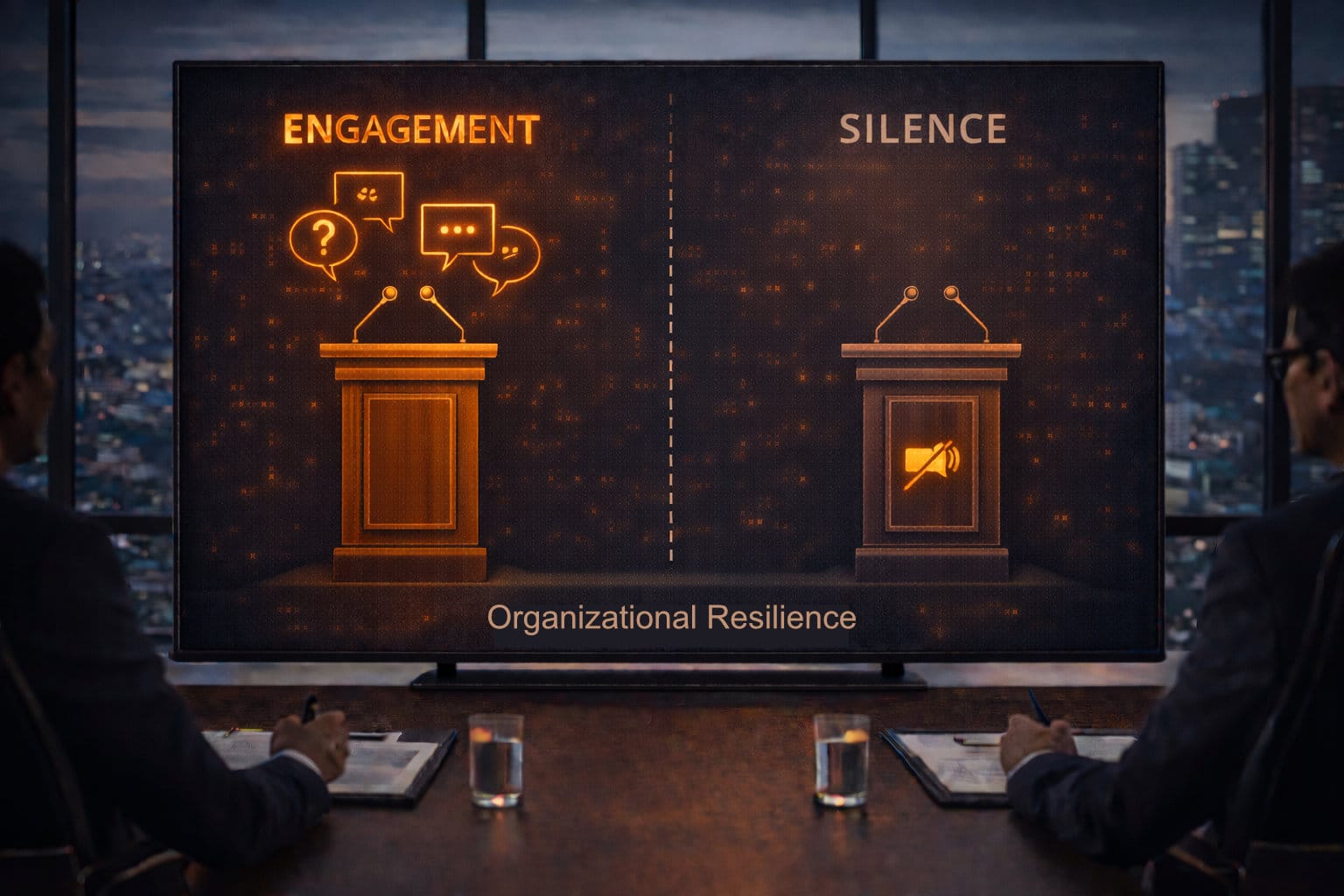
Why Silence in the Boardroom Is a Cybersecurity Risk
Not every governance failure is loud. Some are quiet. Cybersecurity discussions sometimes end not with disagreement — but with silence. No questions.No challenge.No follow-up.No documented…
-
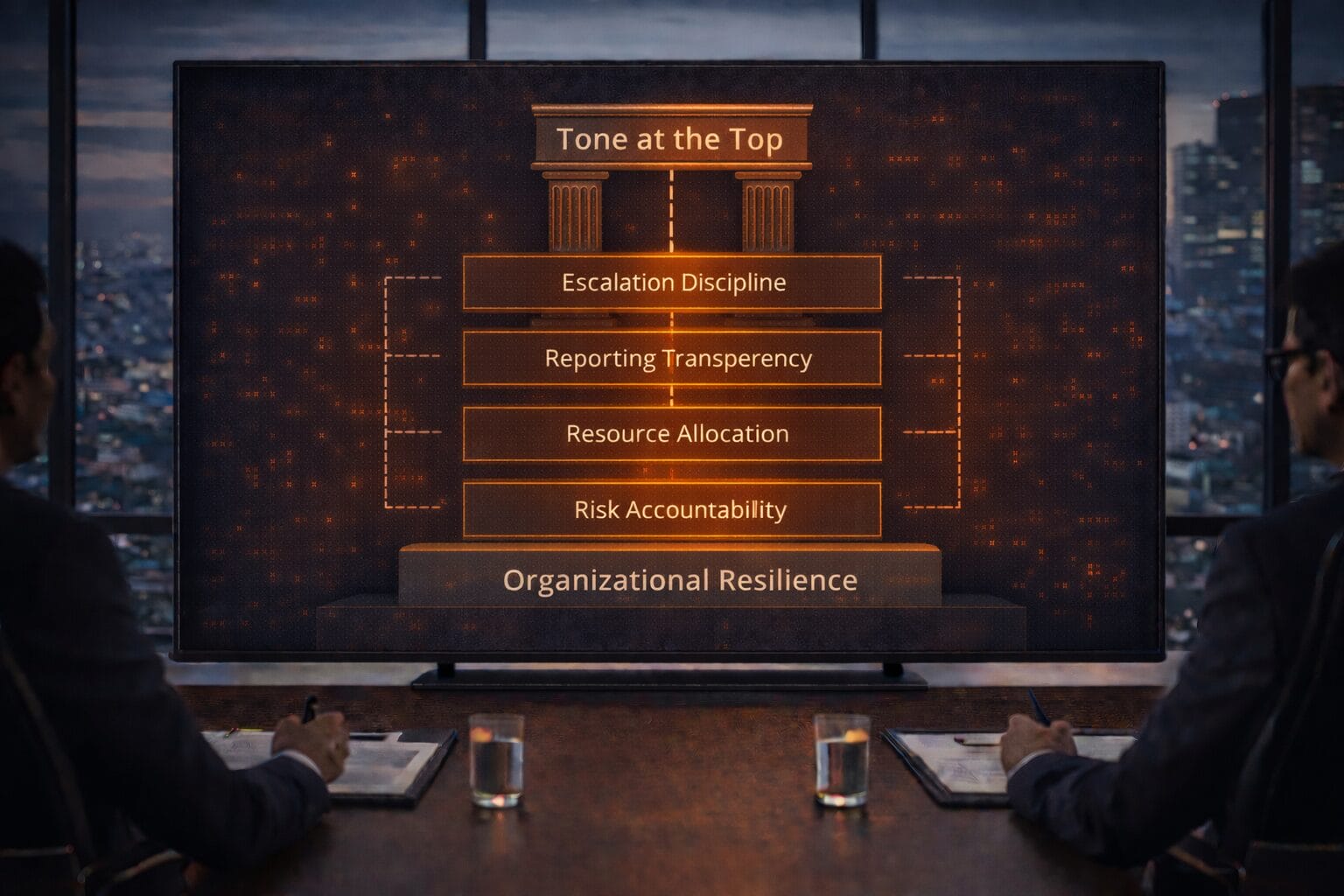
Culture Is a Control
The Governance Impact of Tone at the Top Boards often focus on policies, frameworks, and reporting systems. Those matter. But there is a quieter control…
-
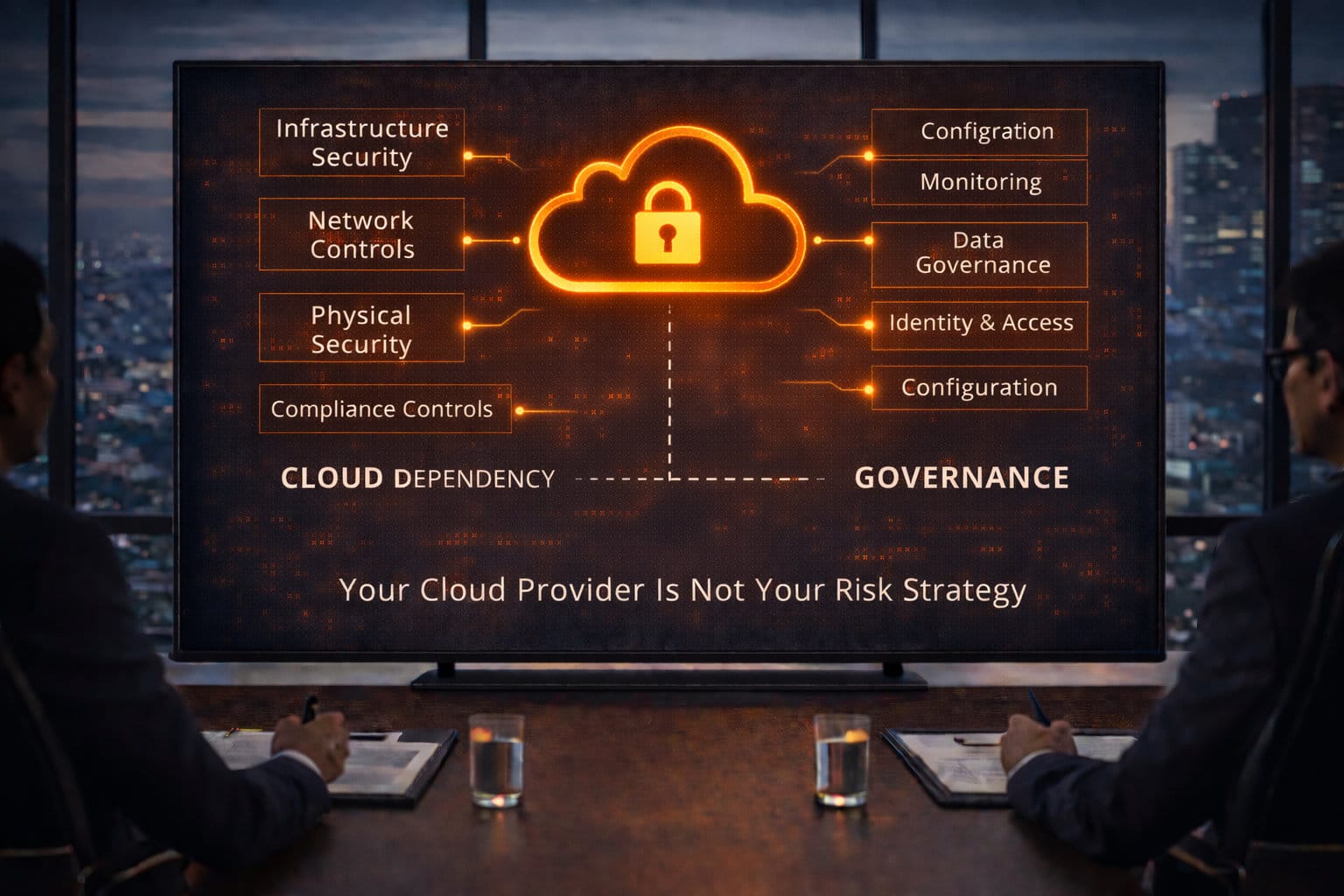
Your Cloud Provider Is Not Your Risk Strategy
Many boards take comfort in one statement: “We’re in the cloud.” Cloud infrastructure can be modern, scalable, and secure. It is not a governance strategy.…
-
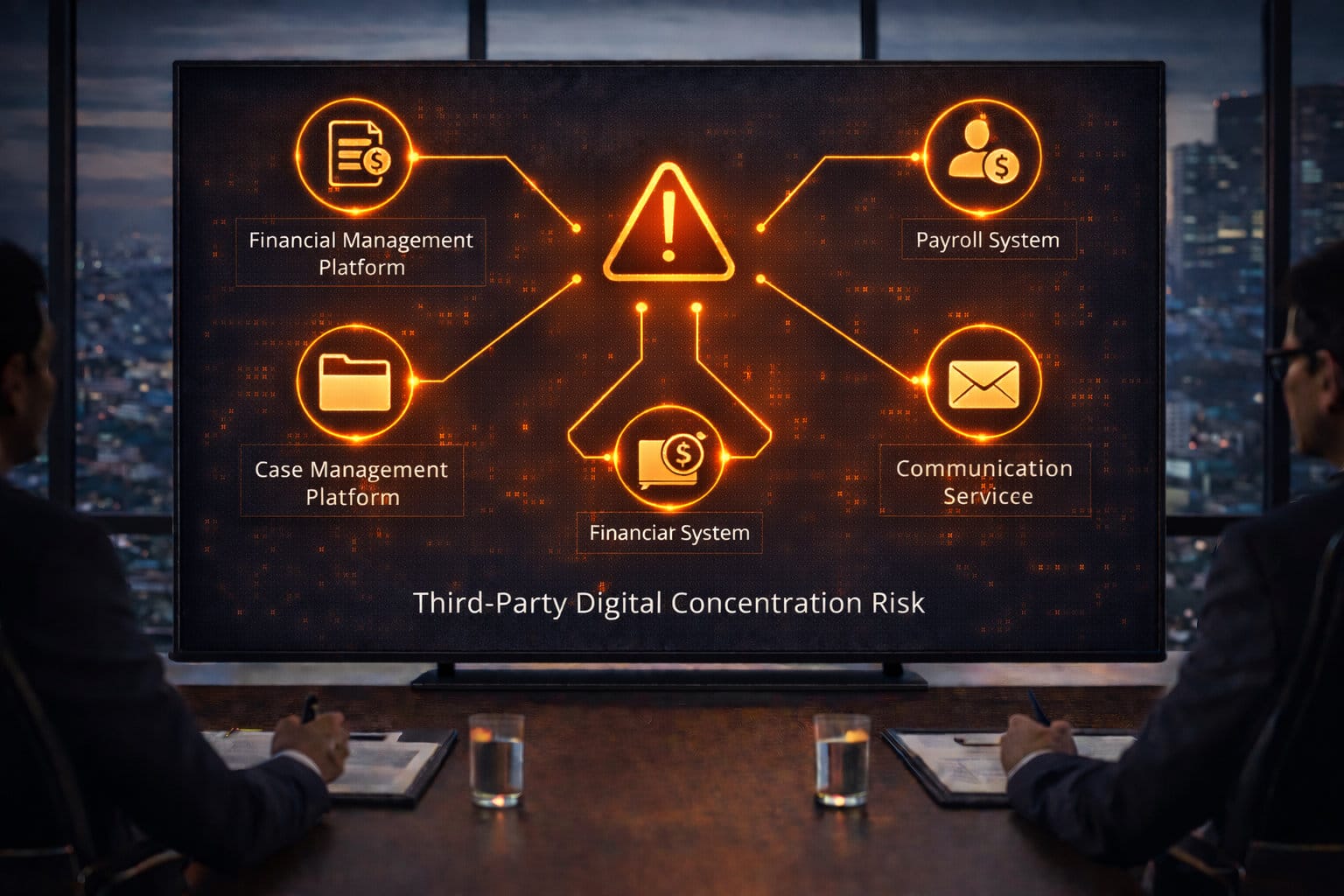
Third-Party Risk Is the New Concentration Risk
Why Vendor Dependency Has Become a Board-Level Exposure Boards understand concentration risk. Overreliance on a single revenue source.Dependence on a major customer.Exposure to a dominant…
-
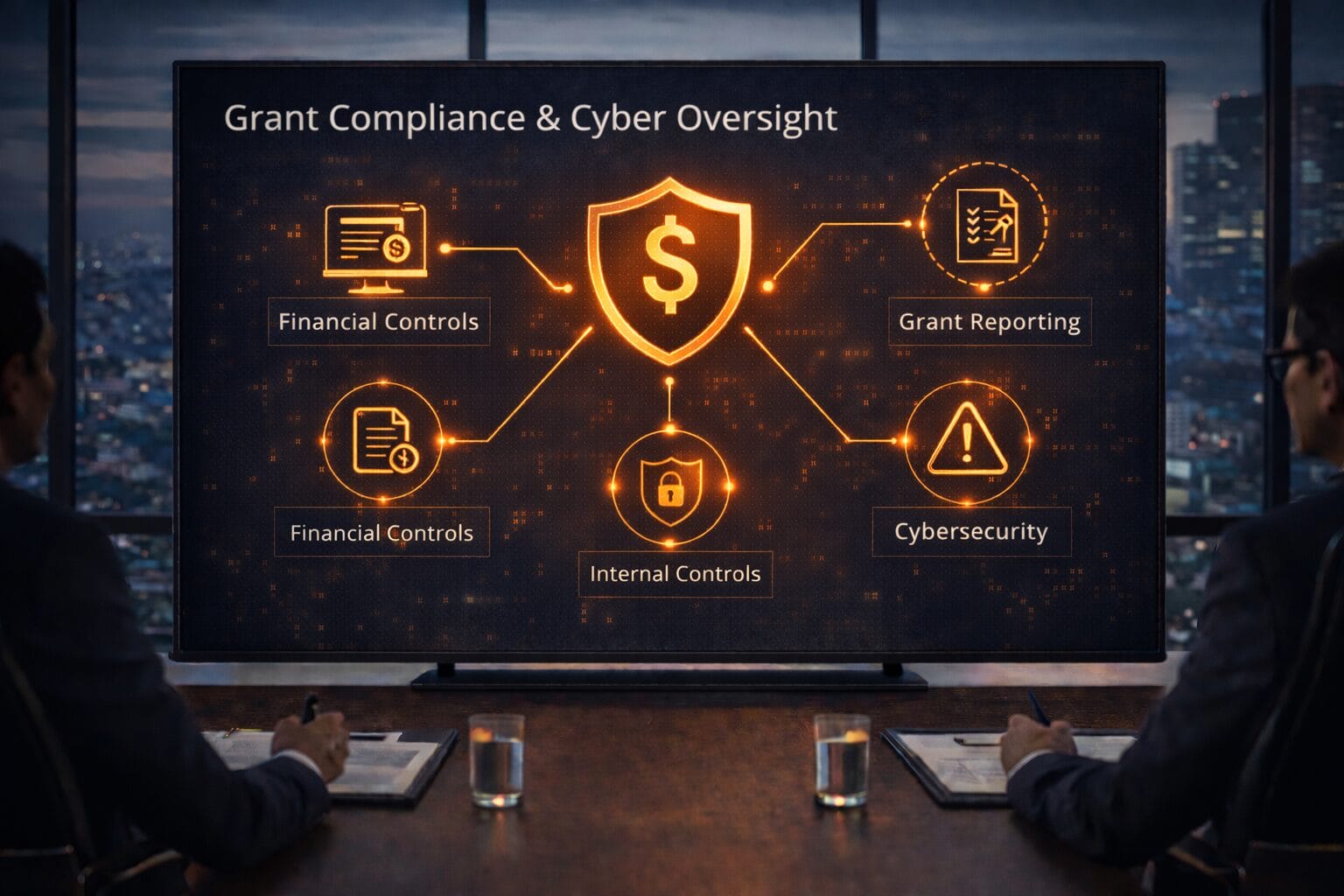
Grant Funding and Cyber Oversight: What Boards Overlook
Many nonprofit boards focus carefully on grant compliance. Reporting deadlines.Allowable costs.Performance metrics.Financial audits. What often receives less attention is the digital infrastructure that supports all…